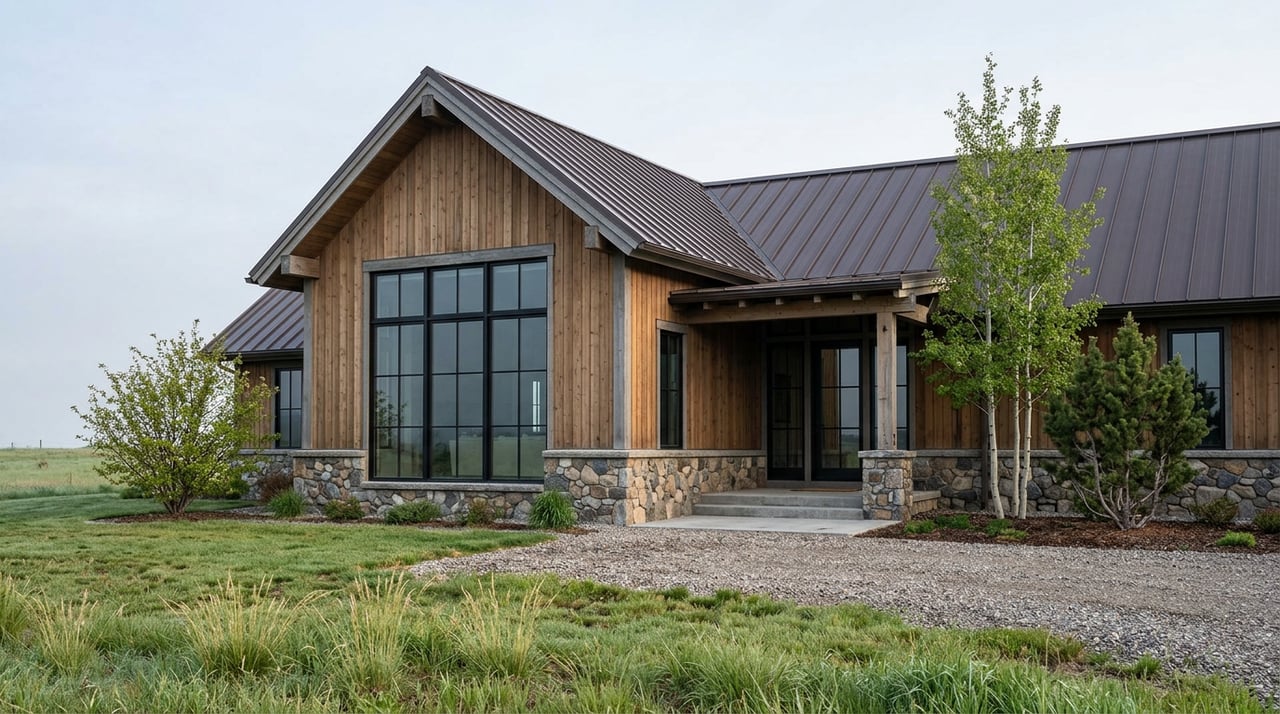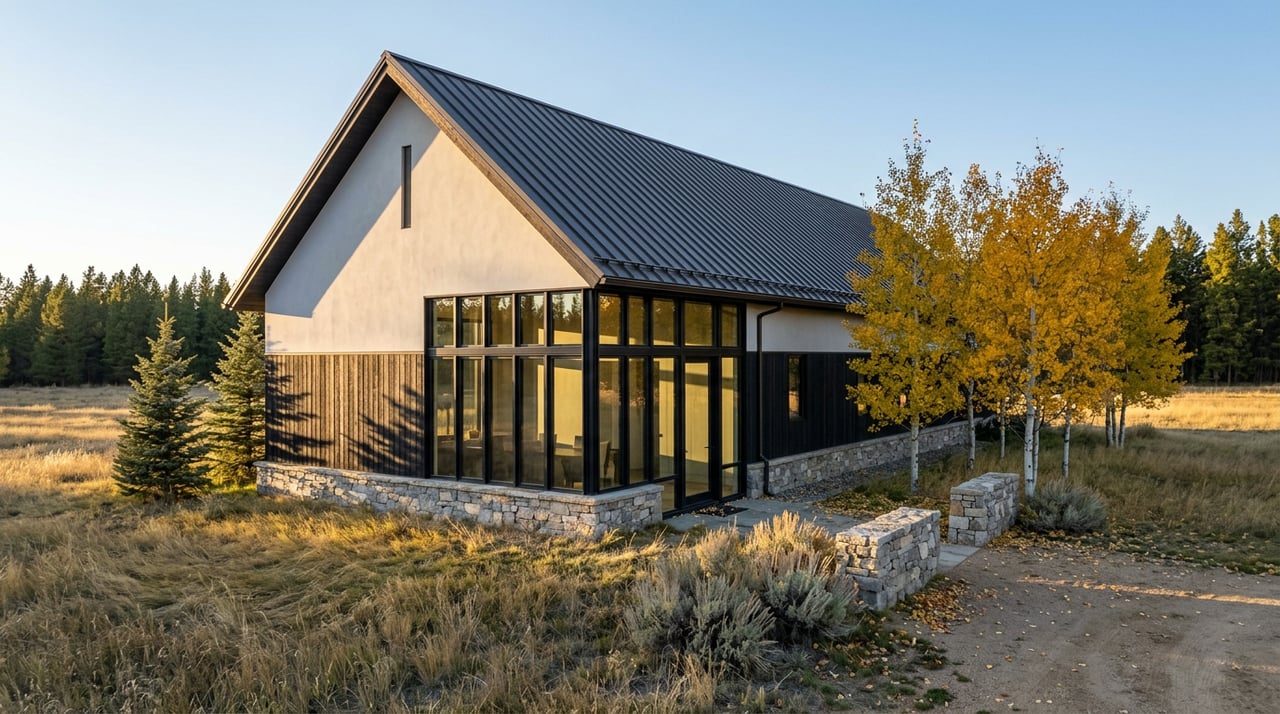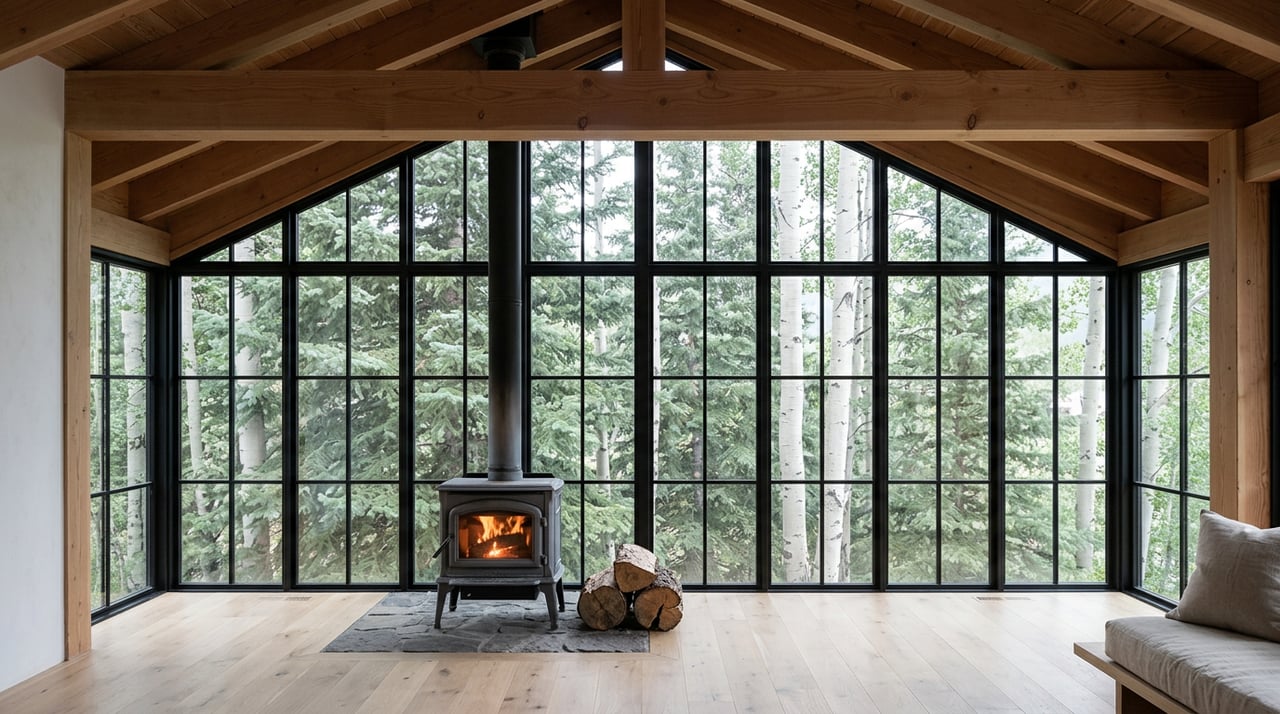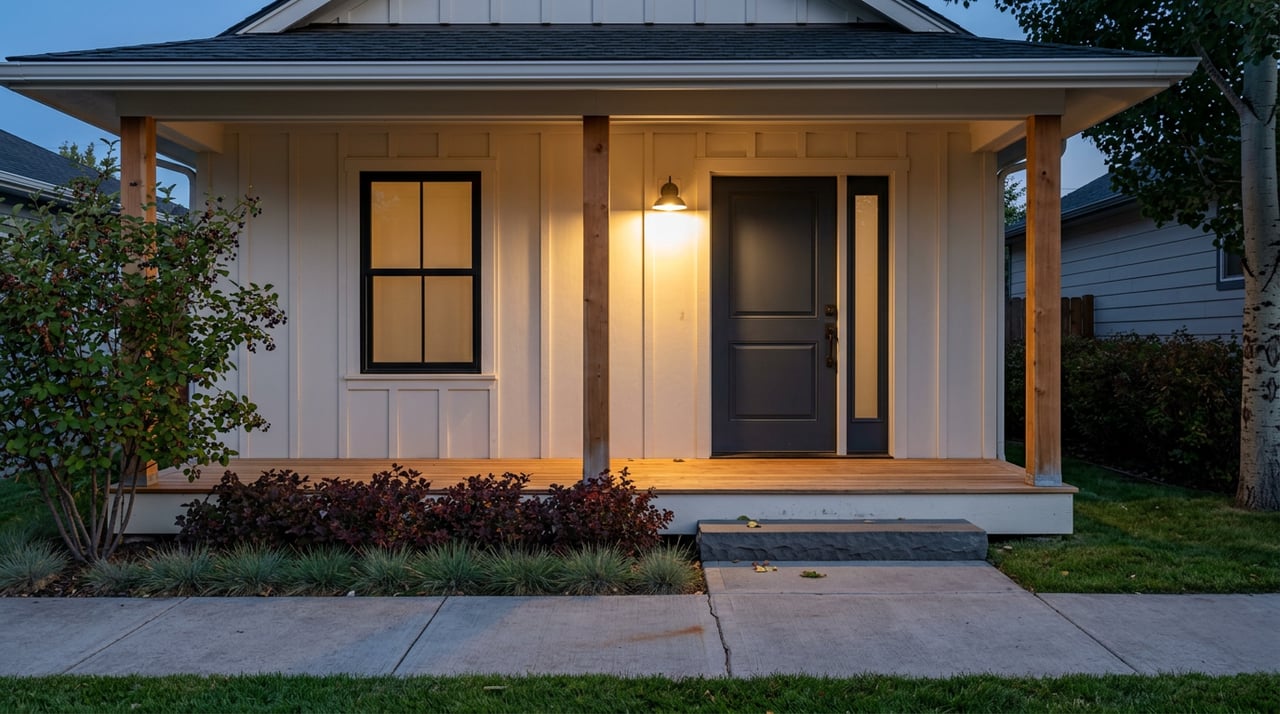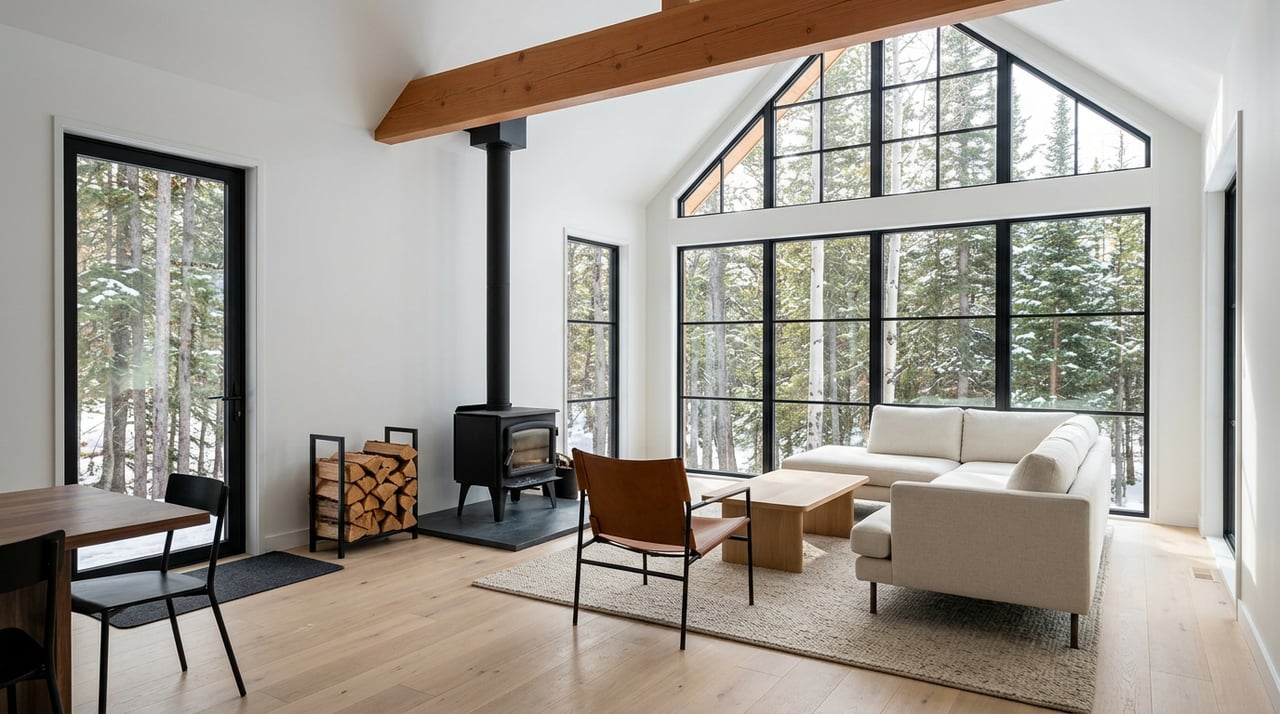
Dreaming of a quiet cabin where jagged peaks frame your morning coffee and stars flood the night sky? If Stanley has captured your imagination, you are not alone. The valley is stunning, but owning here comes with real logistics: winter access, utilities, permits, and rental rules. This guide gives you a clear, practical view of what it takes to buy and enjoy a mountain retreat near Stanley, plus a focused checklist to speed up due diligence. Let’s dive in.
Why Stanley works for a retreat
Big scenery, protected lands
You sit in the Sawtooth Valley at the northern gateway to the Sawtooth National Recreation Area, a U.S. Forest Service landscape known for towering granite peaks, trout rivers, and Redfish Lake. The SNRA surrounds Stanley, which drives year-round recreation and summer visitation. Explore the official SNRA resources from the U.S. Forest Service to see the scope of trails, lakes, and facilities.
Close to Sun Valley services
Stanley is roughly 60 to 62 miles from Sun Valley and Ketchum, typically a 1 to 1.5 hour drive on ID‑75 over Galena Summit in clear conditions. That puts skiing, dining, and flights within reach while you keep a wilder base in Stanley. See a typical drive-time view between Stanley and Ketchum on Travelmath.
Small-town scale
The town is tiny, with a commonly cited 2020 Census population of 116. Summer brings far more visitors, so plan your usage and guest trips around seasonal rhythms.
Seasonality and access planning
Snow and winterization
Stanley sits around 6,200 to 6,300 feet. Long-term climate records show average annual snowfall near 70 to 75 inches, with a snow season that can run from early October into late May. That means winterization, snow-load design, and snow-clearing are part of normal ownership. Review local climate summaries from the Western Regional Climate Center when planning.
Road closures and safe travel
Two highways serve Stanley: ID‑75 from Sun Valley and SH‑21 from the Boise/Lowman corridor. Both can close during major storms, wildfire events, or post-fire debris flows. SH‑21 is known for avalanche exposure on certain stretches. The Idaho Transportation Department posts updates and closure notices, such as this ITD advisory. In winter, always check conditions before you or guests travel and build buffers into itineraries.
On-site winter access examples
Some structures in the area shift to snowmobile, ski, or snowshoe access in deep winter. The Redfish Cabin listing illustrates how winter access is often handled in remote settings, with clear guidance on travel methods and dates. See the Redfish Cabin overview for a practical example.
Utilities and infrastructure realities
Electric power
Local electric service is provided by Salmon River Electric Cooperative. Service is reliable by rural standards, though outage duration can be longer than in metro areas. If you plan a remodel or new systems, confirm transformer capacity and interconnection needs early. Use the cooperative profile on Find Energy as a starting reference and call the utility to verify specifics for the parcel.
Water and septic
Many cabins rely on private wells and on-site septic rather than municipal hookups. Expect to review well logs, water quality tests, septic permits, and soil percolation results during due diligence. Idaho’s well-permitting steps and licensed-driller requirements are summarized in this Idaho well owner guide. Some public and recreational facilities in the area do not have running water or on-site sewer, which is a helpful reminder to verify exact systems at any property.
Heat, fuel, and backup power
Common setups include propane tank service, wood stoves, and backup generators. Plan for winter fuel deliveries, stack wood early, and test generator auto-start and load-handling before the first big storm.
Internet and cellular coverage
Coverage is limited or spotty across parts of the Stanley basin. Many public campgrounds note no cell service. Plan on testing multiple carriers and consider satellite internet as a backup. For context, some area listings reflect no service and only seasonal Wi‑Fi access, as you see in campground notes compiled by Campflare.
Private road and plowing
If access includes a private road or long driveway, confirm who maintains it, how plowing is funded, and what happens in heavy snow years. Line up a plow contractor before winter and budget for extra pushes during storms.
Ownership context and land status
Private land vs. USFS recreation residences
Some cabins near Stanley sit on private land. Others are part of the U.S. Forest Service recreation residence program, which places private cabins on National Forest land under special-use permits. These permits come with rules that can limit commercial use and rental activity. Review the Forest Service’s recreation-residence guidance and confirm details with the local office using the USFS program overview.
Short-term rentals: potential and limits
Strong summer, thinner winter
Summer demand is real thanks to Redfish Lake, hiking, fishing, and easy access to SNRA trails. Winter demand exists for snowmobiling and cross-country skiing, though it is smaller and more weather-sensitive. Build any revenue model around seasonality and possible multi-day road closures.
Rules, taxes, and permits
If a property is a Forest Service recreation residence, rental use may be restricted or require written authorization. For private land, confirm Custer County and City of Stanley short-term rental rules, licensing, and lodging tax obligations. These policies can change quickly, so verify current requirements with the county and city as part of your offer timeline.
Operations and staffing
Remote turnovers take planning. Budget for cleaning, snow-clearing between stays, fuel management, and emergency access. If connectivity is essential for smart locks or guest communications, add a cellular booster or satellite backup.
Risk, insurance, and operating costs
Wildfire and insurance
Wildfire history and defensible space can drive your insurance options and premiums. Review regional wildfire history summaries from the Sawtooth Wildland Fire Collaborative and get quotes early, especially if you plan to operate as a short-term rental.
Road, driveway, and snow budgets
Remote ownership often means higher annual operating costs. Plan for plowing, road repair shares if applicable, septic pumping, pest control, fuel, and emergency service calls. Many owners set aside several thousand dollars per year, adjusted for home size and access.
Travel logistics for weekenders
- Nearest commercial airport: Friedman Memorial Airport (SUN) in Hailey serves the Sun Valley area. The drive to Stanley is typically 1 to 1.5 hours in good conditions along ID‑75.
- In winter, plan arrivals and departures around storms and daylight. Keep a spare day in your itinerary during volatile periods.
A buyer’s due diligence checklist
- Test the drive in different seasons. Make the trip from Sun Valley and from SUN to see real travel times in clear and storm conditions. A typical runtime to Ketchum is shown on Travelmath.
- Confirm electric capacity and outage history with Salmon River Electric Cooperative and discuss any planned upgrades or new loads. Start with the cooperative profile.
- Request well logs, recent water-quality tests, septic permits, and soil percolation tests. Review Idaho’s step-by-step process in the well owner guide.
- Verify land status. If the parcel is in or adjacent to the SNRA or sits on a USFS tract, confirm special-use rules and any rental limits using the USFS recreation-residence overview.
- Check local short-term rental rules and lodging taxes with Custer County and the City of Stanley. Confirm licensing, safety standards, and enforcement as of your offer date.
- Obtain insurance pre-approval based on location and wildfire profile. Review regional fire context at the Sawtooth Wildland Fire Collaborative.
- Get private-road maintenance and plowing agreements in writing. Price out vendors and budget for heavy snow seasons.
The bottom line
Owning a retreat near Stanley delivers rare mountain scenery, direct access to the SNRA, and a true back-to-nature rhythm within reach of Sun Valley services. Success comes from planning: design for snow, verify utilities in detail, understand land status and rental limits, and budget conservatively for remote operations. With the right prep, you can enjoy a low-stress base that feels worlds away yet stays connected to everything you need.
Ready to explore the right cabin or land parcel near Stanley with clear guidance and concierge-level support? Connect with Jordan Jadallah to map your goals, pressure-test logistics, and move forward with confidence.
FAQs
What months offer the easiest access to a Stanley-area cabin?
- Late spring through early fall usually offer the most reliable access, while deep winter often requires active snow management and can include temporary road closures.
How far is Stanley from Sun Valley and the nearest airport?
- Stanley is about 60 to 62 miles from Ketchum and typically a 1 to 1.5 hour drive. The nearest commercial airport is Friedman Memorial Airport (SUN) in Hailey, which connects to the same corridor.
Can you rent a U.S. Forest Service recreation-residence cabin near Stanley?
- Often not as a standard short-term rental. Special-use permits can prohibit or strictly limit rentals. Confirm rules with the local USFS office before assuming rental income.
Which utilities should I verify before buying a remote cabin near Stanley?
- Confirm electric service capacity, well production and water quality, septic permits and condition, heating fuel logistics, backup power, and internet or cellular options.
How does wildfire risk affect insurance for a Stanley retreat?
- Wildfire history and defensible-space measures can influence availability and cost. Get quotes early and understand any requirements for coverage, especially if you plan to rent.