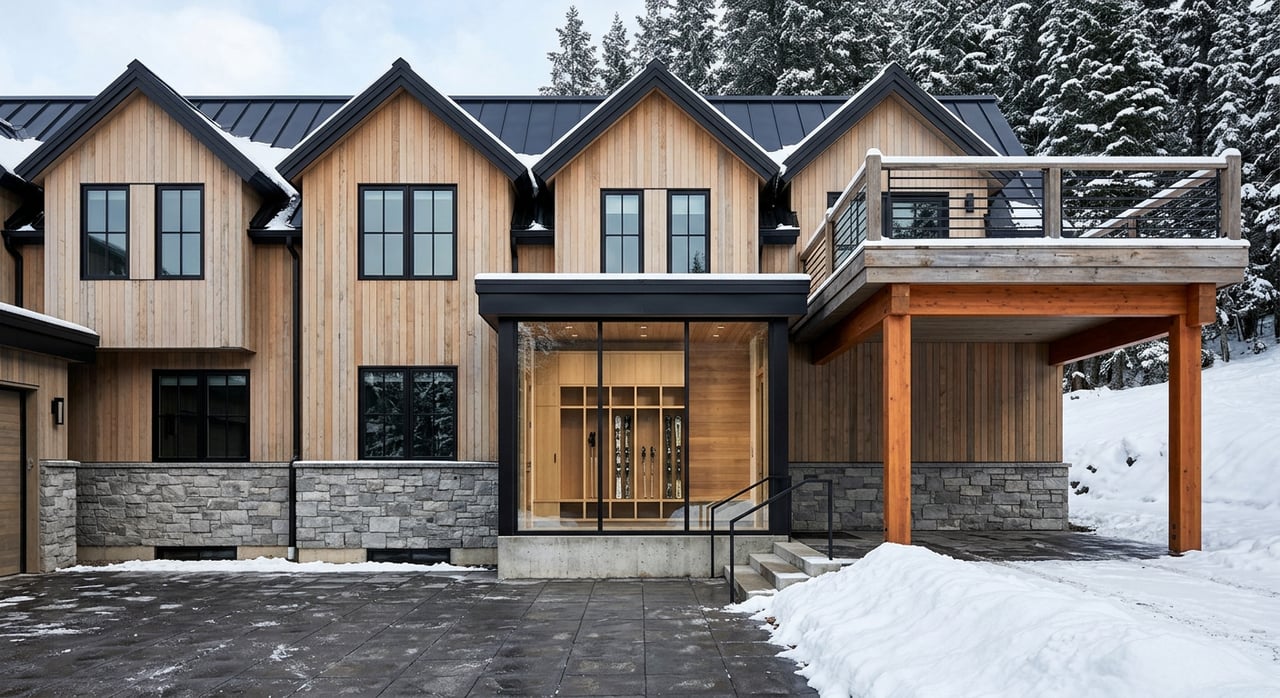
Want lifts within minutes and a true lock‑and‑leave base in Sun Valley? A ski‑adjacent condo can deliver that convenience, plus optional rental income when you are not in town. You still need to choose the right ownership model, understand HOA costs, and confirm rental rules before you buy. This guide walks you through Sun Valley’s key condo areas, common building types, carrying costs, financing considerations, rental dynamics, and a focused due‑diligence checklist so you can move with confidence. Let’s dive in.
Where ski‑adjacent condos fit in the market
Sun Valley is a high‑value resort market, with public aggregator snapshots placing median home values around the seven‑figure range. Condos near Dollar Mountain and Bald Mountain span a wide spectrum, from smaller, more efficient studios and one‑bedroom units to multi‑million‑dollar residences in premier resort settings. Entry pricing is often lower than detached homes, but building, location, view, and HOA structure drive big differences in total cost.
Sun Valley’s ski condo zones at a glance
Sun Valley Village and Resort core
If you want to be next to the Lodge, the Inn, ice rink, and resort shops, look here. Buildings in and around the Village often function like condotels or hotel‑adjacent properties. Owners and guests may access resort amenities through pass programs, which vary by property and season. Review building‑specific rules on access and fees. A representative vacation listing shows how resort‑adjacent offerings are positioned to guests and what nightly pricing can look like in peak periods. See a sample of amenity access references in this resort‑area vacation listing and real‑world guest‑facing features in a Snowcreek condo example.
What to expect:
- Strong on convenience and hospitality‑style services.
- HOA fees can be materially higher if they include staff, extensive amenities, or on‑site programs. Always confirm if fees are monthly or quarterly.
- Rental exposure is common. If you plan to finance, understand how the rental profile may affect warrantability.
Elkhorn and Dollar Road
Elkhorn was designed for second‑home living and features many fee‑simple condo communities. You will find one to three bedrooms in buildings that often date to the 1970s and 1980s, many with thoughtful renovations over time. Amenities typically include seasonal pools, hot tubs, tennis, and shuttle access to Dollar Mountain and Ketchum.
What to expect:
- Traditional condo ownership with a homeowners association.
- Mid‑range monthly HOA dues are common for this area, with services like snow removal and grounds included.
- Great lock‑and‑leave living, with rental potential varying by complex and proximity to lifts or shuttle.
Warm Springs (Bald Mountain north side)
This zone provides access to Bald Mountain’s Warm Springs lifts. You will see standard fee‑simple condos as well as a notable fractional product, The Hemingways, which sits close to the base. Fractional ownership changes financing and resale dynamics. If you like this model, assess usage calendars, management fees, and exit history. See a local mention of the Hemingways among area partners here.
What to expect:
- Mix of traditional condos and a fractional ownership community.
- Emphasis on Bald Mountain access and easy shuttle connectivity.
Nearby Ketchum
Ketchum borders Sun Valley and includes many condo options close to dining and services. If you plan to rent short‑term, be aware the city runs a formal permit program for vacation rentals. Review the adopted rules and stay current on standards and enforcement. For reference, see Ketchum’s short‑term rental permit ordinance.
Ownership models you will see
- Fee‑simple condominium. This is the most common structure in Elkhorn, Dollar Road, and similar neighborhoods. You own your unit and share common elements through the HOA. Dues typically cover exterior maintenance and common services.
- Resort or condotel. Units integrated with the resort or hotel node may participate in on‑site rental programs and emphasize hospitality features. Confirm whether participation in a rental pool is optional or required, how revenue is split, and any owner‑use rules.
- Fractional ownership or interval. A fixed set of owners shares a residence on a scheduled basis. These models can be ideal if you only visit a few weeks a year, but they follow different financing and resale norms. Analyze calendars, carrying costs, and historical resale timelines.
- Timeshare or leasehold. Less common locally. If you encounter either, review the term, renewal, and transfer provisions in detail.
What units and amenities look like
- Floor plans. Ski‑area condos are built for second‑home use. You will find studios and one‑bedroom units under roughly 1,000 square feet in Village‑adjacent complexes, plus two to three bedrooms between about 1,400 and 2,100 square feet in Elkhorn‑style communities.
- Vintage and updates. Many buildings date from the 1970s and 1980s. Expect a range of interior updates across units. When reviewing HOA documents, pay attention to exterior capital projects such as roofs, siding, and plumbing.
- Amenities. Look for ski lockers, shared hot tubs and pools, saunas or small fitness rooms, and shuttle service. Some resort‑adjacent properties operate like hospitality offerings with optional housekeeping or concierge through property managers. See a guest‑facing example of features and context in this Snowcreek unit, and an amenity‑pass reference applicable to certain Village‑area stays here.
HOA fees, carrying costs, and what they include
HOA dues vary widely by building and amenity load. Representative listings show many Elkhorn and Village condos in a mid‑range band around 350 to 700 dollars per month. Luxury or resort‑level residences that include broader services may charge more, and some bill on a quarterly basis that can total several thousand dollars per quarter. Always confirm whether fees are quoted monthly or quarterly.
Common HOA inclusions in Sun Valley:
- Building and exterior maintenance
- Grounds, snow removal, and trash
- Water and sewer
- Gas or heat in some buildings
- Basic cable or internet in select associations
Other recurring costs to budget:
- Property taxes. Blaine County’s effective rate is relatively low compared with many U.S. counties. Use the current county rate for your calculations and confirm with your advisor. See county benchmarking at the Tax Foundation.
- Owner insurance (HO‑6) and any exposure to the HOA master‑policy deductible or loss‑assessment.
- Utilities not covered by the HOA.
- If you plan to rent: management fees, cleaning, supplies, credit‑card fees, and local lodging taxes.
- Special assessments tied to capital projects. Review reserve studies and recent minutes for signals.
Sample carrying‑cost illustration
Use this simple framework for a mid‑range Elkhorn two‑bedroom condo:
- Mortgage: depends on price, down payment, and rate.
- HOA dues: pick a number within the 350 to 700 dollars monthly band for your target building.
- Property tax: purchase price multiplied by the current Blaine County effective rate, then divide by 12 for a monthly estimate. Reference the Tax Foundation county data.
- Insurance: obtain an HO‑6 quote from a local carrier.
- Utilities: electricity or gas if not covered by the HOA.
- If renting: apply your manager’s fee percentage to projected gross revenue and add cleaning and supplies.
This keeps your analysis consistent when comparing buildings with different HOA structures and amenity loads.
Financing and why warrantability matters
Lenders underwrite condos at the project level as well as the buyer level. A “warrantable” condo meets criteria that align with conventional lending standards, which can help with interest rate options and down‑payment flexibility. Projects with high short‑term‑rental concentrations, low reserves, pending litigation, or significant commercial space may be considered non‑warrantable. That status can limit loan options or require larger down payments. Engage your lender early and ask them to review the building before you submit an offer. For a concise primer on project reviews and warrantability, see this condo financing overview.
Rental potential, permits, and taxes
Seasonality and demand
County analysis that aggregates sources like AirDNA and Visit Sun Valley shows several hundred to roughly 900 active short‑term rentals across Blaine County, with strong seasonal swings. Winter and summer peak, while shoulder seasons soften. Average occupancy for the county’s STR stock has been modeled near about 50 percent, though revenue is highly specific to each unit’s location, size, view, finishes, and management. Review the latest county briefing for context on inventory and seasonality in the Sun Valley economic report.
Local permits and taxes
- Ketchum requires a short‑term rental permit program with standards by ordinance. Confirm application steps, fees, and renewal timelines before you list. See the adopted permit ordinance.
- The City of Sun Valley levies a municipal room occupancy charge on short stays. Owners who rent should confirm current collection and remittance procedures using the City of Sun Valley code.
- Idaho’s rules continue to evolve. Review current state and municipal updates before you structure a rental plan. A useful roundup of policy activity appears in this overview.
Property management
Local professional managers play a major role in occupancy and owner experience. A leading example is Alpine Lodging, which offers marketing, operations, and owner services. For an investment purchase, ask a local manager to estimate average daily rate, occupancy, and expected net for your building and unit type. Learn about a local program at Alpine Lodging’s owner services page.
Buyer due‑diligence checklist
Pull these documents before you make an offer:
- Current HOA budget and the last 2 to 3 years of financial statements
- Reserve study or reserve schedule, with current balance and any recent special assessments
- Meeting minutes for the past 12 to 24 months, focusing on capital projects, rules changes, litigation, and rental policies
- Association insurance declarations, including master‑policy deductibles and what is covered vs. owner HO‑6
- Any rental program agreement if the building runs a mandatory or optional pool, plus recent owner revenue statements if available
- Estoppel or resale certificate, as required for closing and many lenders
- Recorded CC&Rs and bylaws, with rules on rentals, occupancy, pets, parking, and storage
- Evidence of project approval or warrantability if you plan to use conventional, FHA, or VA financing. For context on project reviews, see this condo financing guide.
On‑the‑ground checks and smart questions:
- Where is ski storage located and is it deeded or assigned?
- Parking rights by unit, covered vs. surface, and guest parking rules
- Owner storage for bikes, golf clubs, and seasonal gear
- How snow removal is handled and prioritized for drives, paths, and stairs
- Which utilities are included in dues and how they are billed
- Capital projects planned over the next 1 to 5 years and any expected assessments
- If investing: request the last 12 months of rental performance or ask a local manager for building‑specific ADR and occupancy comps
Condos vs. standalone homes: key takeaways
- Entry price. Many ski‑adjacent condos offer a lower initial price than detached homes in the same valley. You are buying less land and more shared amenities.
- Monthly costs. Condos shift a portion of maintenance and capital costs into fixed HOA dues. A lower purchase price can be offset by higher HOA fees in amenity‑heavy buildings. Always analyze the full monthly picture.
- Financing and resale. Project warrantability and investor concentration affect loan products and buyer pools. Confirm the building’s profile with your lender at the start.
Ready to compare buildings, fees, and rental outlooks?
You deserve a data‑forward plan and a smooth, concierge experience. We help you benchmark HOA structures, identify warrantable projects, and coordinate the right local partners for lending, insurance, and rental management, then guide you through a clean, confident close. If you want a curated shortlist and a numbers‑first walkthrough of your options, connect with Jordan Jadallah.
FAQs
What is the difference between fee‑simple condos and condotels in Sun Valley?
- Fee‑simple condos function like traditional ownership with an HOA, while condotels are hotel‑adjacent and may include or require participation in on‑site rental programs and hospitality services that can raise HOA costs.
How high are typical HOA fees near the lifts?
- Representative listings show many Elkhorn and Village condos in the 350 to 700 dollars per month range, with resort‑level buildings charging more, sometimes billed quarterly. Always verify monthly vs. quarterly quoting.
Do Sun Valley condo buildings allow short‑term rentals?
- Policies vary by association. City rules also apply, including Ketchum’s permit program and Sun Valley’s room occupancy charge. Confirm HOA rules and local permits before assuming rental income.
How seasonal is vacation rental demand in Blaine County?
- Winter and summer typically peak, with average county‑level occupancy for STR stock modeled around about 50 percent in local briefings. Your unit’s location, design, and management drive the actual result.
Why do lenders care about the condo project when I apply?
- Lenders review the project’s reserves, rental profile, litigation status, and more to determine warrantability, which can impact loan options and down‑payment requirements.
Are most ski‑adjacent condos older buildings?
- Many were built in the 1970s and 1980s, though interiors vary widely due to renovations. Review reserve studies and upcoming capital projects to anticipate future assessments.
What should I budget besides HOA dues and my mortgage?
- Include property taxes, HO‑6 insurance, any utilities not covered by the HOA, plus rental management, cleaning, and local taxes if you plan to short‑term rent.