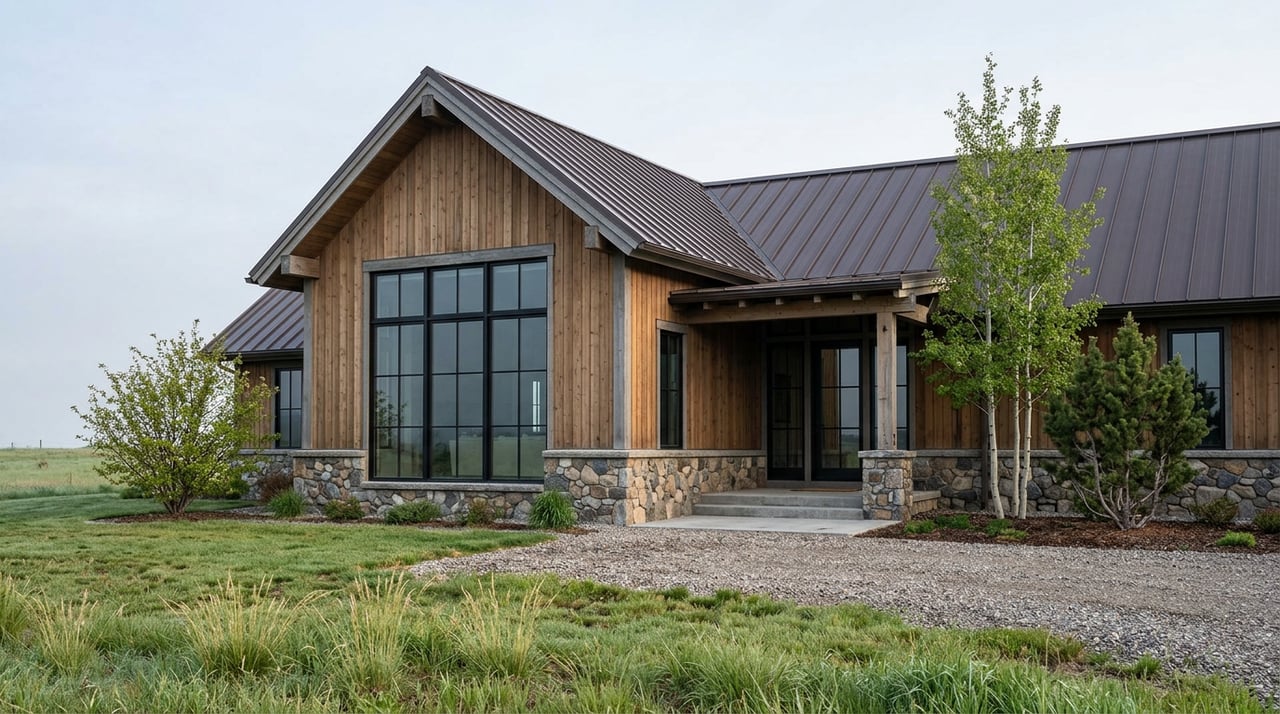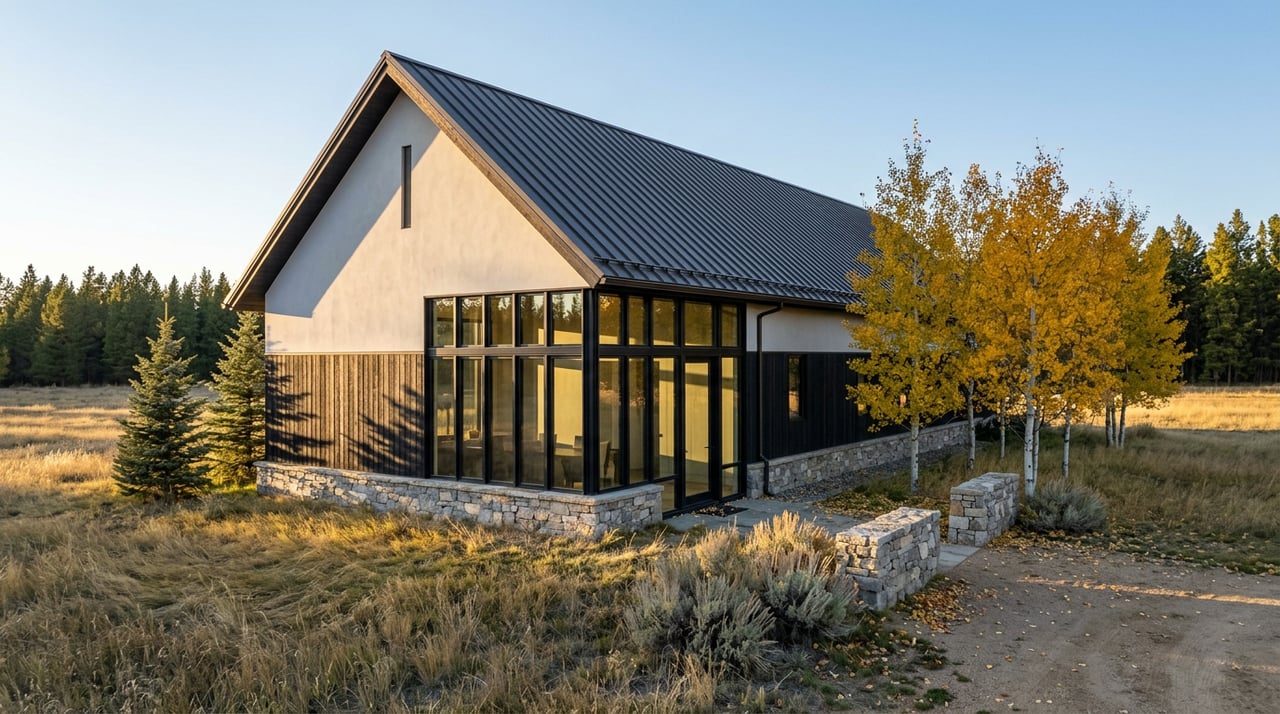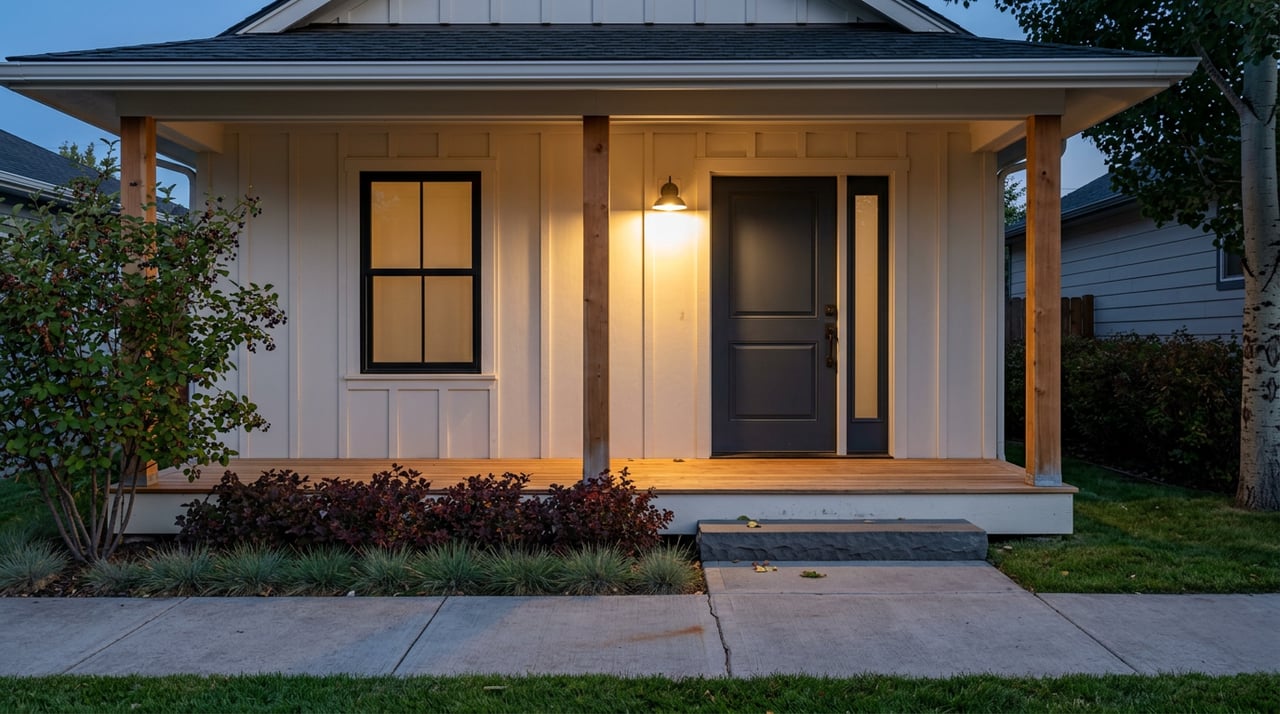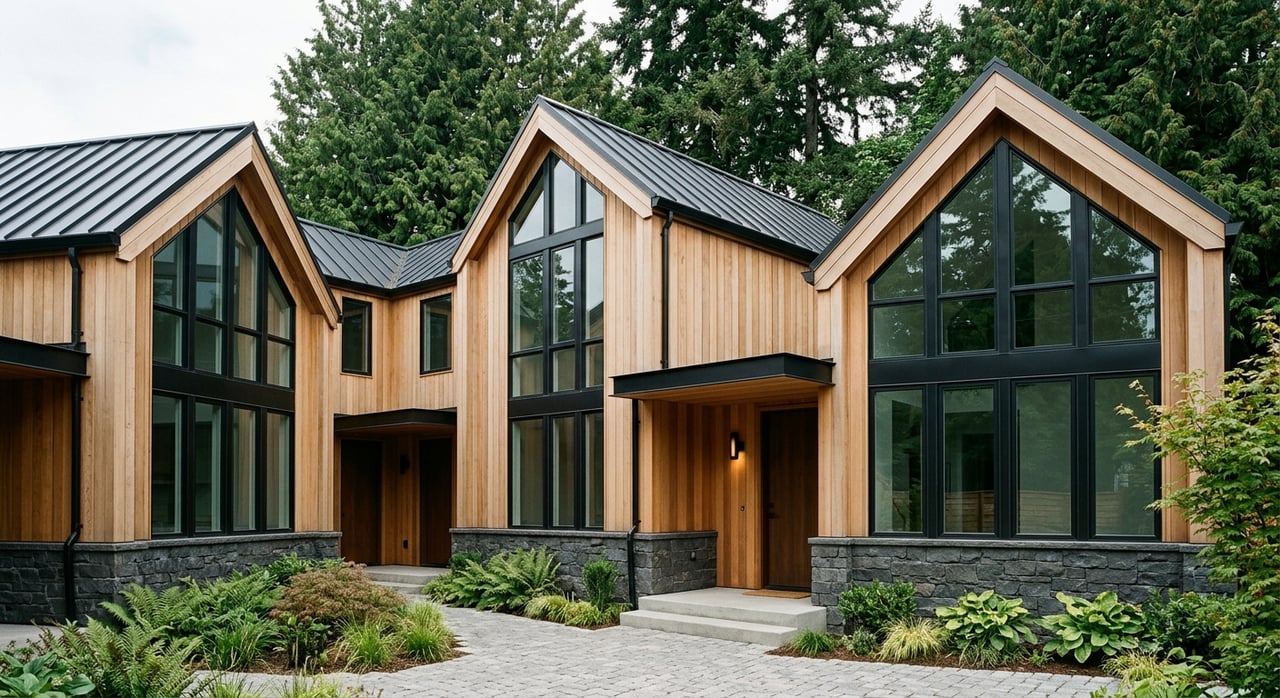
If you are evaluating a development site in Blaine County, the biggest risk is often not the land itself. It is misunderstanding who has jurisdiction and which approvals come first. A parcel that looks straightforward on paper can move into a very different review path once you confirm whether it falls under county rules, a city process, or a city-impact framework. This guide walks you through the basics so you can scope entitlement risk earlier, budget more accurately, and move forward with clearer expectations. Let’s dive in.
Start With Jurisdiction
Before you study density, layout, or construction cost, confirm which local government controls the parcel. In Blaine County, subdivision regulations apply in unincorporated areas, but not in zones designated as city-impact areas under separate jurisdiction. County code specifically identifies city-impact ordinances for Ketchum, Sun Valley, Hailey, and Bellevue, which makes jurisdiction the first feasibility question for many infill, land, and townhome projects. You can review the county framework in the Blaine County subdivision regulations.
That first step matters because the process can change materially once a parcel falls inside a city or city-impact area. Blaine County Building Services notes that all projects receive zoning review, even when a building permit is not required, and that zoning review comes before structural review. Ketchum and Hailey each run their own planning, building, or community-development process, so you want the governing jurisdiction pinned down before you spend time on design assumptions.
Know The Main Approval Types
Most projects start with a zoning check. That review helps determine whether your proposed use is permitted outright, accessory, or conditional under the applicable code.
If the use is conditional in unincorporated Blaine County, you will typically need a conditional use permit before a building permit can be issued. The county can attach conditions related to service capacity, public facilities, and environmental effects, as shown in the county’s pre-building permit zoning application materials.
Subdivision and plat approvals come into play when your project creates or reconfigures lots, replats a parcel, establishes a condominium or planned unit development structure, or includes street or alley dedications. County rules expressly cover those actions, which is one reason townhome and condo-style projects often involve more than one layer of approval. The county’s subdivision regulations provide the baseline framework.
City projects often add design review. In Hailey, design review applications generally require a public hearing, though some lower-impact applications may be decided without one. Hailey’s application requirements commonly include plans, survey materials, parking and snow-storage information, landscaping, elevations, lighting, a sign plan, and a 300-foot property-owner list, all outlined in the city code for design review procedures.
Ketchum also runs its own design review and building permit path through its planning and building department. The city has a more centralized workflow under its Land Development Code, effective January 1, 2026, and handles permit activity through CommunityConnect.
Understand The Usual Review Sequence
For a small or mid-size development project, the practical sequence is usually straightforward at a high level. First, confirm jurisdiction. Next, get staff input and determine whether the proposal is permitted, accessory, or conditional. Then file any required CUP, subdivision, plat, or design review applications, move through notice and hearing requirements, receive conditions of approval if applicable, complete final plat or final design approvals, and then move into building permit and utility work.
In practice, these steps are not always perfectly linear. County and city procedures show that subdivision, design review, utility permits, and infrastructure coordination can overlap. The county’s zoning application guidance is useful because it reflects how approvals often interact in real projects.
At the county level, land use applications are first certified as complete by staff and then scheduled for the next available agenda opening. If no regular meeting is available within 90 days, a special meeting must be called. The main decision-makers may include the Planning and Zoning Commission, the Board of County Commissioners, and in some cases a hearing examiner, as described in the county’s land use procedure provisions.
At the city level, the process is also schedule-driven. Hailey’s Planning and Zoning Commission oversees community-development projects, and applicants are generally expected to submit a complete application 35 days before the scheduled meeting, according to the city’s Planning and Zoning Commission page. Ketchum’s Planning and Zoning Commission meets on the second and fourth Tuesday of each month at 4:30 p.m., which makes calendar timing an important part of your early project plan.
Expect Timing To Be A Real Variable
Many developers focus on hearing dates and overlook the time it takes to assemble a complete application package. That can create avoidable delay. Blaine County Building Services says the building permit process is usually about four weeks during the heavy building season from March through October, and incomplete applications take longer, according to the county’s building services FAQ.
Public notice also adds time. For county hearings, notice is typically a 15-day newspaper publication plus mailed notice to owners within 300 feet, certain public water system owners in a wellhead protection area, and political subdivisions including the school district. Preliminary plats also require site posting under the county’s notice and plat timing rules.
Expiration deadlines matter too. In unincorporated Blaine County, a preliminary or short plat expires three years after board approval unless a final plat application has been submitted. A final plat application can expire after six months if it is not certifiable, and an unrecorded final plat can expire one year after the appeal period, subject to one extension for good cause.
Hailey follows similar concepts but not identical timelines. Under the city code, preliminary plat approval is valid for two calendar years, the final plat must be submitted within two calendar years of preliminary approval, and the recorded final plat also must be filed within two calendar years unless a phasing agreement applies. Hailey design review also has its own timeline, including a one-year window to apply for a building permit after approval, with one six-month extension available, as outlined in the city’s subdivision timing provisions.
Watch For Triggers That Add Complexity
Even a smaller infill project can become a multi-agency review in Blaine County. County subdivision standards may require evidence of adequate water for domestic and fire suppression uses, public water-system approval in certain situations, South Central Public Health District and DEQ compliance for water and septic issues, wildfire defensible space in the wildland-urban interface, fire-district-approved turnarounds, and drainage compliance. The county’s Subdivision Application Standards of Evaluation also identify review considerations involving public services and infrastructure.
Conditional use permits can add another layer of negotiation. County code allows conditions that address timing, location, mitigation, and public-facility requirements, and it expressly allows mitigation of social, economic, fiscal, and environmental effects, including effects on potable water sources in wellhead protection areas. You can see that authority in the county’s conditional use standards.
For city projects, utility and right-of-way permits may also be separate from planning approval. In Hailey, a wastewater permit is required before a new municipal sewer connection, and encroachment permits are required for work in city rights-of-way. The city’s public works guidance on wastewater connections and permits is a good reminder that planning approval does not eliminate downstream infrastructure steps.
Build Your Entitlement Plan Early
If you are developing in Blaine County, the most practical skill is sequencing. A strong early plan usually includes a jurisdiction check, an entitlement matrix, a realistic application calendar, and a list of outside agencies or districts that may need to weigh in. That helps you avoid the common mistake of treating zoning, platting, design review, utility coordination, and fire or infrastructure signoff as separate late-stage items.
For out-of-area developers especially, local process knowledge can save both time and carrying cost. Hearing calendars, mailing and notice rules, utility permits, and deadline-sensitive approvals all affect project timing. When you understand that approval here is often a set of interconnected steps rather than one yes-or-no decision, you can underwrite the opportunity more accurately.
If you are evaluating a development parcel, planning a townhome concept, or preparing to position land for sale, working with a local advisor who understands both entitlement risk and market positioning can make a meaningful difference. Jordan Jadallah brings a data-forward, white-glove approach to Blaine County land, new-construction, and development-oriented transactions, helping you assess opportunity, local process, and go-to-market strategy with greater clarity.
FAQs
What is the first approval step for a Blaine County development project?
- The first step is usually confirming jurisdiction and completing a zoning review to determine whether the parcel is governed by Blaine County, a city, or a city-impact framework and whether the proposed use is permitted or conditional.
When does a Blaine County project need subdivision or plat approval?
- Subdivision or plat approval is typically required when your project creates or reconfigures lots, replats an existing parcel, establishes condominium or planned unit development structures, or includes street or alley dedications.
Does a Hailey development project usually need design review?
- Many Hailey development projects do require design review, and the application package often includes site plans, survey materials, parking and snow-storage information, landscaping, elevations, lighting, and a property-owner list.
How long do Blaine County development approvals take?
- Timing varies by project and approval type, but public notice periods, hearing calendars, completeness review, and follow-up permit steps can all affect the schedule, and incomplete applications generally take longer.
Can Blaine County attach conditions to a conditional use permit?
- Yes, Blaine County can attach conditions related to service capacity, public facilities, timing, mitigation, and environmental or infrastructure impacts as part of a conditional use permit approval.
Why is jurisdiction so important for a Ketchum, Hailey, or county parcel?
- Jurisdiction matters because each governing body can have different application forms, hearing schedules, design review requirements, permit workflows, and approval timelines for the same general type of project.