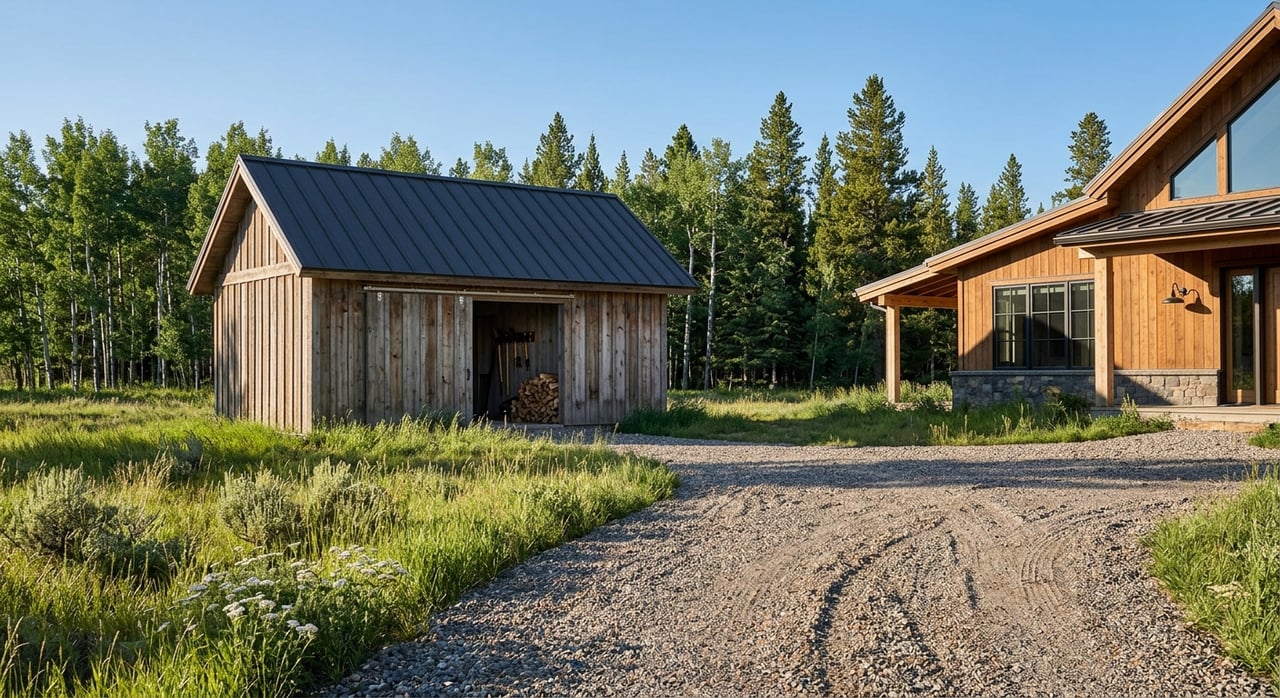
If you want more land in the Wood River Valley, Bellevue often enters the conversation quickly. It offers a practical way to enjoy space, privacy, and a rural setting while staying connected to the rest of the valley by State Highway 75. If you are considering acreage or ranch property near Bellevue, it helps to know what you may gain, what may vary from parcel to parcel, and what due diligence matters most. Let’s dive in.
Why Bellevue Appeals to Acreage Buyers
Bellevue describes itself as the southern gateway to the Wood River Valley, and that location is a big part of the draw. State Highway 75 serves Bellevue, Hailey, Ketchum, and Sun Valley, which gives you a direct north-south route through the valley.
For many buyers, that means you can look for more elbow room without feeling cut off. You may be able to enjoy a more rural property setting while still keeping access to town services, daily errands, and the broader Sun Valley lifestyle.
The city also highlights local services and recreation, including water and sewer services, parks, fields, and access to outdoor amenities. Howard Preserve adds public river access, hiking trails, and fishing along the Big Wood River, which helps illustrate the kind of day-to-day lifestyle that draws people to this part of Blaine County.
What Acreage Properties Look Like Here
Acreage near Bellevue is not one single property type. Blaine County still has a strong agricultural presence, and that creates a wide range of land opportunities and ownership patterns.
The 2022 USDA Census of Agriculture counted 203 farms and 259,553 acres in farms in Blaine County, with an average farm size of 1,279 acres. County planning documents also note that cattle and sheep are the predominant species in local ranching, while horses are often part of ranch operations.
That broader agricultural setting suggests you may encounter several types of properties near Bellevue, including:
- Irrigated pasture
- Horse properties
- Hobby farms
- Buildable ranchettes
- River-adjacent parcels
- Larger working farm or ranch tracts
You may also see land tied to smaller specialty agricultural uses. County planning materials reference local products such as honey, goat milk, chickens, eggs, fruit, vegetables, and ancient grains, which reflects the range of uses that can exist in a working valley landscape.
A Working Landscape, Not Just Open Space
One of the most important things to understand is that acreage near Bellevue often sits within an active agricultural environment. That can be a major positive if you want a property with room for horses, small-scale agriculture, or a stronger connection to the land.
At the same time, county planning documents point out that agricultural and residential uses can sometimes create friction. Farm traffic, irrigation activity, equipment movement, trespassing concerns, and loose dogs are all part of the real-world context of living near working farms and ranches.
That means the right question is not just whether a property feels peaceful on the day you tour it. It is also whether you are comfortable with the responsibilities and rhythms that come with a rural setting in a working mountain-agricultural valley.
Conservation Shapes the Bellevue Area
Blaine County has also made long-term efforts to protect farms, ranches, wildlife habitat, water quality, riparian corridors, wetlands, floodplains, trail corridors, and public access to water bodies. Through its Land, Water and Wildlife Program, the county had protected 3,098 acres as of 2021.
For buyers, that matters because conservation can help preserve the character that makes acreage living attractive in the first place. Scenic views, open land, recreation, and active agricultural uses are not accidental features here. They are part of a larger landscape framework that influences how land is used and how it may change over time.
Zoning Matters More Than Buyers Expect
Before you fall in love with a parcel, take time to understand the zoning. Blaine County's rural zoning districts are not interchangeable, and they can affect density, allowed uses, and future plans for the property.
The county identifies several key rural districts, including:
- A-20: productive agricultural land, one unit per 20 acres
- A-40: productive agricultural land, one unit per 40 acres
- R-10: rural residential, one unit per 10 acres
- RR-40: rural remote, one unit per 40 acres
The county also allows cluster developments in these districts, and it uses a transfer-of-development-rights program that can shift density from preservation-oriented land to designated receiving areas. If you are buying for a homesite, agricultural use, or long-term land strategy, these details are worth reviewing early.
Building and Improvement Rules to Check
Rural properties often come with plans for barns, shops, fencing, corrals, or additional structures. In Blaine County, all projects receive zoning review, even when a building permit is not required.
The county states that outbuildings over 120 square feet require a permit. Its FAQ also says agricultural buildings in A-20, A-40, R-10, and RR-40 generally do not require a building permit, but they do require a setback permit if they meet the county's agricultural-building definition.
This is one reason parcel research matters so much. What looks simple on the surface can involve zoning review, setbacks, and use-specific rules that affect your budget and timeline.
Water Rights Are a Core Due Diligence Item
With acreage and ranch property, water is one of the first things to verify. The Idaho Department of Water Resources says a water right is a real property right, not ownership of the water itself.
If a property includes water rights or adjudication claims, the state advises buyers to confirm that the correct current owner and mailing address appear in the record. That may sound technical, but it can have a major impact on how a property functions and how you assess its value.
For buyers looking at irrigated pasture, horse property, or land with agricultural potential, this step is especially important. Water access and water rights should never be assumed from a listing description or from how the land appears during a showing.
Wells and Septic Need Early Review
Not every acreage property near Bellevue will be served by sewer. If a parcel relies on an on-site wastewater system, Idaho DEQ says a permit is required through the local public health district, and a site evaluation before purchase is recommended.
South Central Public Health District maintains septic records for Blaine County that can be searched online by county and city or town. For buyers, this can be a useful first step in understanding whether a system exists, whether records are available, and what further investigation may be needed.
In practical terms, septic due diligence is best handled early. It is much easier to evaluate site conditions and system history before you are deep into a transaction than after key deadlines are approaching.
Floodplain and Riparian Rules Can Limit Use
River-adjacent land can be beautiful, but it usually deserves extra scrutiny. In Blaine County, development in the floodplain requires review, and new construction in that area must be anchored, flood-resistant, and elevated so the first floor of living space and mechanical systems are at least two feet above the mapped flood elevation.
The county also has riparian setback rules that affect what can be built near streams. It sets a 75-foot setback for Class 1 streams, including the Big Wood River, and a 50-foot setback for Class 2 streams.
Within those riparian setbacks, certain activities are prohibited, including construction and septic installation. If you are drawn to river frontage or creekside land, these rules should be part of your evaluation from the start.
Wildfire and Winter Planning Are Part of Ownership
Bellevue-area acreage also brings practical maintenance considerations. Blaine County identifies wildfire as a common hazard and recommends a 30-foot area around the home free of burnable material, with reduced fuels from 30 to 100 feet and, in some cases, coordination out to 200 feet.
Winter conditions matter too. The county notes that winter storms and extreme cold are expected, and it advises winterizing houses, barns, sheds, and livestock shelter areas, along with maintaining non-frozen drinking water for animals.
For some buyers, these are normal parts of rural ownership. For others, they represent a meaningful lifestyle adjustment. Either way, they should factor into how you compare acreage living with in-town or resort-core options.
The Lifestyle Upside of Bellevue Acreage
For the right buyer, the appeal is easy to see. Bellevue offers a chance to own land in a scenic part of Blaine County with room to spread out, potential for horses or agricultural use, and access to recreation tied to the Big Wood River and surrounding open spaces.
You may also find a stronger sense of space than in the core resort markets farther north. That can be especially compelling if your goal is privacy, mountain views, operational flexibility, or a property that supports a more land-based lifestyle.
The key is to match the property to your actual priorities. Some buyers want a manageable ranchette, while others want irrigated land, room for equestrian use, or a larger long-term holding with a specific vision.
How to Evaluate a Bellevue Acreage Property
A clear process can help you avoid expensive surprises. When you evaluate acreage or ranch property near Bellevue, focus on the fundamentals first.
Start with this checklist:
- Confirm the zoning district and allowed density
- Review whether your intended use fits the parcel's rules
- Verify any water rights or adjudication claims
- Check sewer availability or review septic history and site conditions
- Identify floodplain and riparian constraints
- Consider wildfire mitigation needs
- Plan for winter access, winterization, and ongoing maintenance
- Understand whether the surrounding area is part of an active agricultural setting
This kind of property search usually benefits from a more detailed review than a standard in-town home purchase. The land itself often tells only part of the story.
If you are exploring acreage or ranch living near Bellevue, a careful, data-forward approach can make all the difference. When you want local guidance on land, luxury homes, or buildable opportunities in Blaine County, connect with Jordan Jadallah for a tailored consultation.
FAQs
What makes Bellevue appealing for acreage living in Blaine County?
- Bellevue offers a rural setting at the southern gateway to the Wood River Valley, with access to the rest of the valley via State Highway 75 and nearby outdoor amenities like the Big Wood River and Howard Preserve.
What kinds of acreage properties can you find near Bellevue, Idaho?
- Buyers may encounter horse properties, irrigated pasture, hobby farms, buildable ranchettes, river-adjacent parcels, and larger working ranch or farm tracts.
What zoning should you check before buying rural land near Bellevue?
- Blaine County rural districts include A-20, A-40, R-10, and RR-40, and each district has different density standards and land-use implications that should be reviewed before purchase.
Why are water rights important for Bellevue acreage properties?
- Water rights are real property rights in Idaho, and buyers should verify records and ownership details carefully, especially when evaluating irrigated land or agricultural uses.
What should you know about septic systems on rural property near Bellevue?
- If a parcel is not served by sewer, an on-site wastewater system permit is required through the local public health district, and a site evaluation before purchase is recommended.
Are floodplain and river setbacks a concern for land near the Big Wood River?
- Yes. Blaine County requires floodplain review for development and applies riparian setbacks, including a 75-foot setback for Class 1 streams such as the Big Wood River.
What ongoing ownership issues come with ranch or acreage living near Bellevue?
- Buyers should plan for wildfire mitigation, winterization, winter access, and the realities of living near active agricultural operations, such as equipment movement and irrigation activity.