If you want to spend less time driving and more time enjoying Ketchum, downtown deserves a close look. For many buyers, the appeal is simple: easier access to daily essentials, dining, transit, and recreation in one compact area. If you are weighing convenience against space, this guide will help you understand what downtown Ketchum living really looks like and what tradeoffs come with a car-light lifestyle. Let’s dive in.
Why Downtown Ketchum Works
Downtown Ketchum is more than a cluster of shops and restaurants. City planning materials describe it as the community’s shopping, dining, and entertainment hub, and also as an increasingly walkable urban neighborhood. That matters if you want a home base where errands, meals, and outings can happen with less driving.
Current planning for the Retail Core also points toward a compact, connected pattern of development. The city’s language emphasizes mixed-use buildings, active ground-floor spaces, and surrounding areas that support housing near jobs, services, and transit. In practical terms, that means downtown is designed around access and proximity rather than large lots.
For you as a buyer, that can translate into a different daily rhythm. Instead of planning each day around parking and drive times, you may be able to walk to a coffee shop, catch a bus, or head out on foot for an evening downtown. The value is not acreage. The value is convenience.
What Homes You’ll Find Downtown
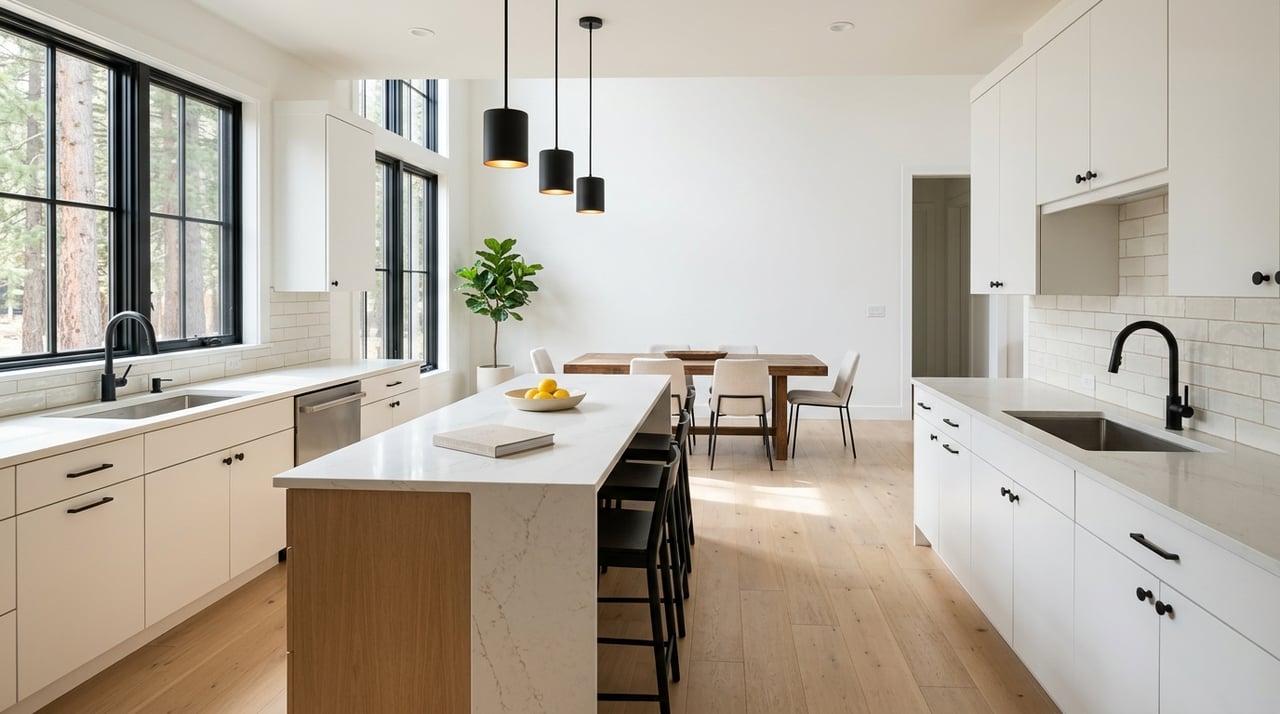
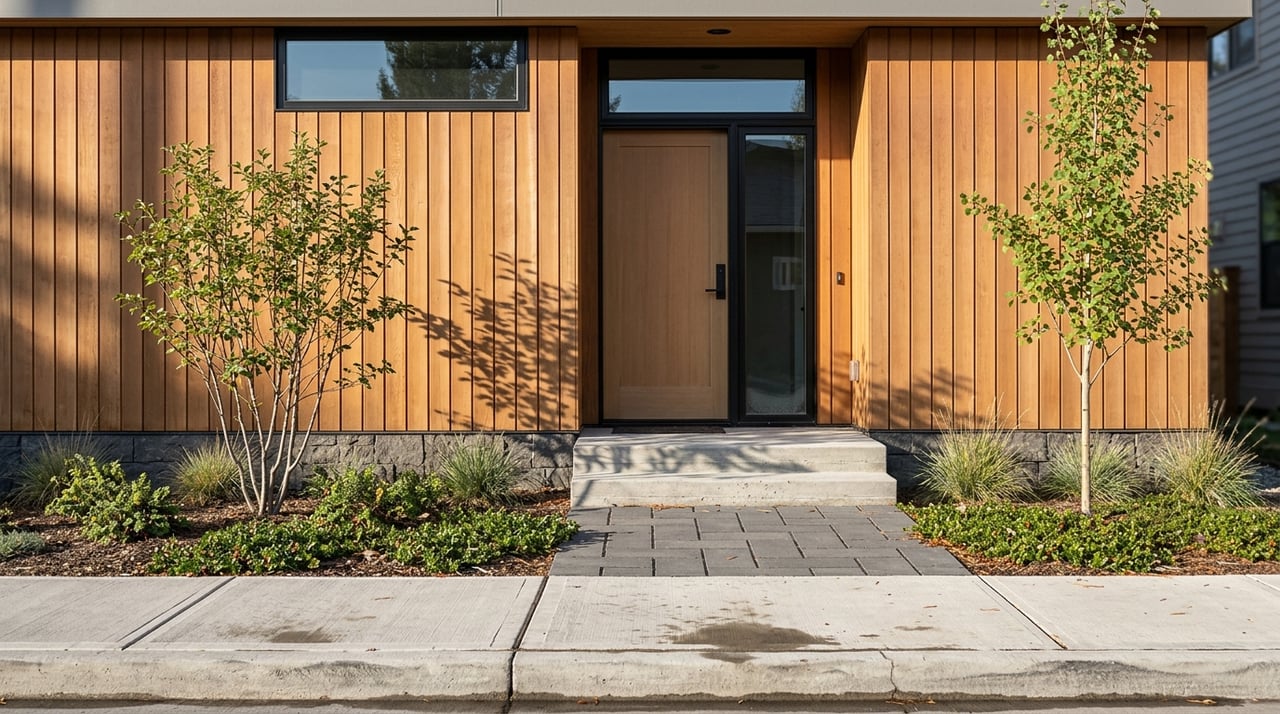
If you picture downtown Ketchum, the most relevant housing types are usually attached or mixed-use properties. City project records and planning documents show examples like multi-story mixed-use buildings with commercial space on the ground floor and apartments or condos above. That pattern fits the downtown setting and supports a more walkable lifestyle.
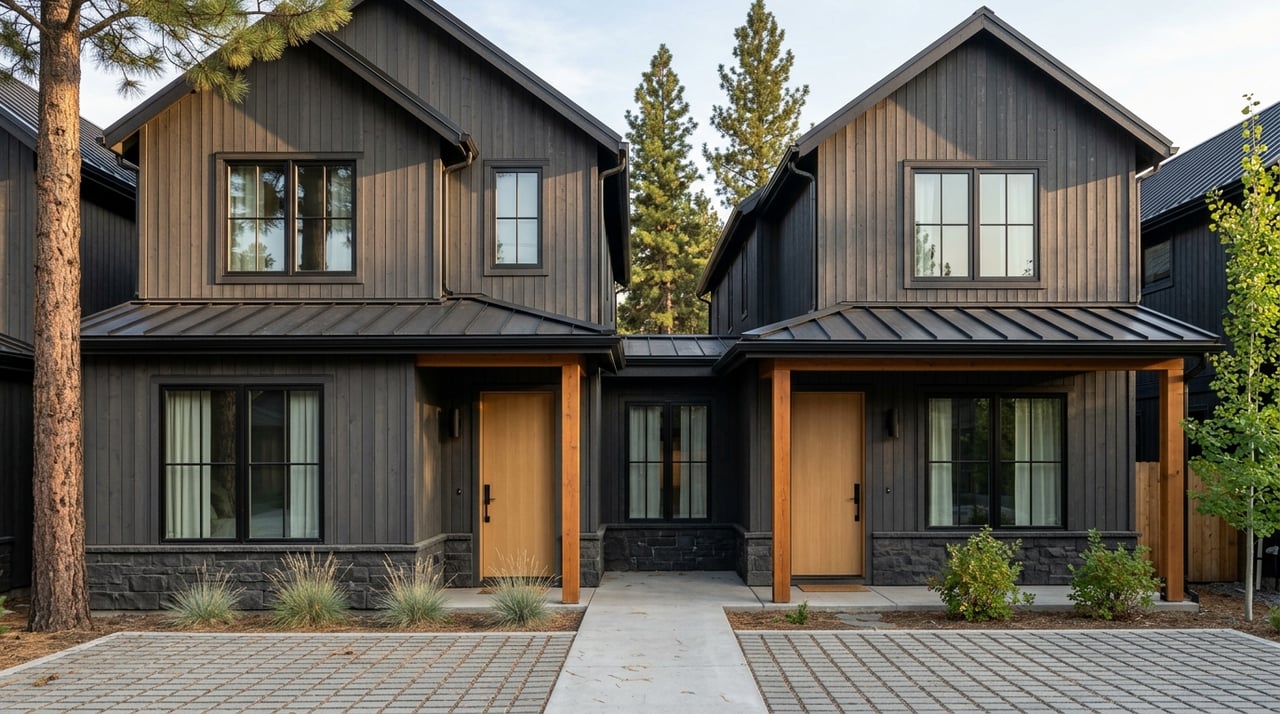
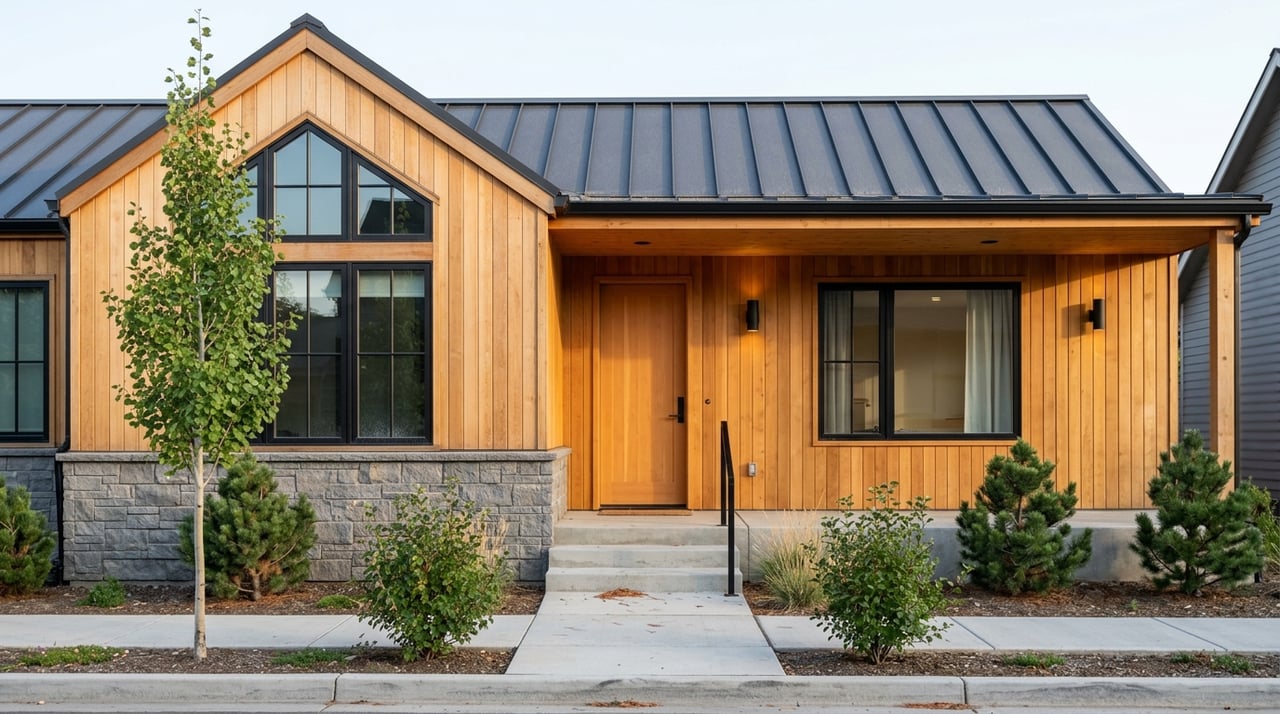
Ketchum’s broader housing stock generally falls into two main groups: single-family detached homes and multi-family apartments or condominiums. The city also notes that duplexes and townhomes have become more common in recent years. That gives buyers a few more options if they want a lower-maintenance home with a more urban footprint.
The local housing mix supports that story. According to ACS 2024 estimates, Ketchum has about 4,180 housing units, and 54% of its housing structures are multi-unit. The median owner-occupied home value is about $824,000, which adds useful context if you are comparing downtown options with homes elsewhere in Blaine County.
Common Downtown Property Types
If you are searching near the core, you are most likely to come across:
- Condominiums
- Apartments
- Mixed-use buildings with residences above commercial space
- Attached homes such as duplexes or townhomes
Detached homes are generally more common outside the core. If your priority is a car-light routine, the downtown and near-downtown housing mix may align better with how you want to live.
What Daily Life Looks Like
A car-light lifestyle in downtown Ketchum is realistic because several systems work together. Walkability is part of it, but so are transit access and the valley’s trail network. When those pieces connect well, you can reduce how often you need to get behind the wheel.
Mountain Rides operates year-round Valley, Hailey, Blue, and Airport routes. The agency also runs a seasonal Ketchum & Sun Valley Free Town Bus. It connects Sun Valley, Ketchum, Hailey, and Bellevue with free electric buses seven days a week, and its airport shuttle provides free service between Friedman Memorial Airport and key Wood River Valley stops.
Published schedules include downtown Ketchum stops such as Main & River and Main & Fourth. For residents, that means transit is not just a regional concept. It is tied to actual stops in the downtown grid, which can make errands, commuting, and local outings easier without needing to drive each time.
Car-Light, Not Car-Free
It helps to set realistic expectations. Downtown Ketchum can support a low-driving lifestyle very well, but it does not eliminate every reason to own or use a car. You may still want a vehicle for weather days, larger shopping trips, travel timing, or reaching trailheads and destinations beyond the core.
That said, many parts of daily life can potentially be handled another way. Depending on where you live downtown and your routine, you may be able to combine walking, biking, and bus service for a large share of local trips.
Trails Expand Your Range
One of the most appealing parts of living in Ketchum is that outdoor access can be part of normal daily life. The Wood River Trail is a 32-kilometer, free, year-round path that connects Bellevue, Hailey, Ketchum, and Sun Valley. It supports walking, biking, running, and winter skiing.
For a car-light household, that trail is more than recreation. It is another corridor that expands how you move through the valley. Instead of thinking only in terms of roads and parking lots, you have a non-motorized route that connects communities and outdoor access points.
North of town, the Blaine County Recreation District winter trail system includes Lake Creek, Billy’s Bridge, North Fork, Prairie Creek, and the Harriman Trail. Lake Creek Trailhead is about 4 miles north of Ketchum and provides access to miles of non-motorized trails. If winter recreation is part of your lifestyle, that proximity adds real value.
Winter Access Matters
Winter changes how you experience any mountain town, and Ketchum is no exception. The good news is that the trail system remains active, and BCRD’s Winter Trailink provides real-time grooming conditions for Nordic skiing. That kind of information is useful when winter trail access is part of your normal weekly routine.
Transit also remains part of the equation in colder months, but winter requires a little more planning. Snow, gear, timing, and parking rules can all shape how easy your day feels. Buyers who do best with downtown living usually appreciate both the convenience and the need for some seasonal flexibility.
Parking and Winter Tradeoffs
The biggest practical limit on a car-light lifestyle is not whether downtown is walkable. It is how you manage the times when you do need a vehicle. Ketchum’s parking plan provides a useful picture of that reality.
The city reports 2,164 total public parking spaces. Its parking approach prioritizes short-term customer parking close to storefronts, while long-term parking is intended for employees and residents. The same plan notes that most new residential buildings are expected to include on-site parking, with some exceptions based on residence type, size, and zoning district.
That distinction matters when you compare buildings. A condo or mixed-use residence with on-site parking may support your routine very differently than a property where you rely more heavily on public parking rules. Older downtown guidance also describes overnight resident parking by permit during winter snow operations, which is another detail to understand before you buy.
The Real Tradeoff
The core tradeoff is straightforward. Downtown living gives you better access to services, transit, shops, and restaurants, but it usually comes with a denser, more mixed-use environment and less private land. If you want large outdoor space, a detached setting, or more separation from activity, the core may feel tight.
If your priority is convenience, connection, and less dependence on your car, that same density can be a strength. The best fit depends on how you want your week to function, not just how a property looks on paper.
Who Downtown Living Fits Best
Downtown Ketchum can be a strong match if you want your home to support a more flexible routine. That may include buyers who split time between homes, local residents who want easier day-to-day access, or purchasers looking for a lower-maintenance property in the heart of town.
It can also make sense if you value being near activity and prefer an attached home, condo, or newer mixed-use residence over a larger detached property. In many cases, the decision comes down to whether you want space from town or access to town.
As you evaluate options, it helps to compare more than square footage. Look at transit proximity, building parking, winter logistics, and how often you could realistically walk or bike to the places you go most. Those details often shape satisfaction more than the unit count or floor plan alone.
If you are considering downtown Ketchum and want a clear, data-backed view of which properties best support your lifestyle goals, Jordan Jadallah can help you evaluate the market with local insight and concierge-level guidance.
FAQs
What home types are most common in downtown Ketchum?
- Downtown Ketchum buyers will most often encounter condos, apartments, mixed-use buildings, and attached housing such as duplexes or townhomes, while detached homes are generally more common outside the core.
How realistic is a car-light lifestyle in downtown Ketchum?
- It is realistic for many local trips because downtown is walkable, Mountain Rides serves downtown stops, and the Wood River Trail connects Ketchum with other valley communities, but most residents will still want to plan for occasional car use.
How does winter affect downtown Ketchum living?
- Winter can make transit timing, trail conditions, parking, and snow operations more important, so a car-light lifestyle still works best when you understand seasonal logistics.
How close are trails to downtown Ketchum?
- The Wood River Trail runs through the valley and connects Ketchum with nearby communities, and Lake Creek Trailhead is about 4 miles north of town with access to non-motorized winter trails.
What is the main tradeoff with downtown Ketchum living?
- The main tradeoff is choosing convenience and access over private land, since downtown living typically means a denser, more mixed-use setting with smaller footprints than homes outside the core.