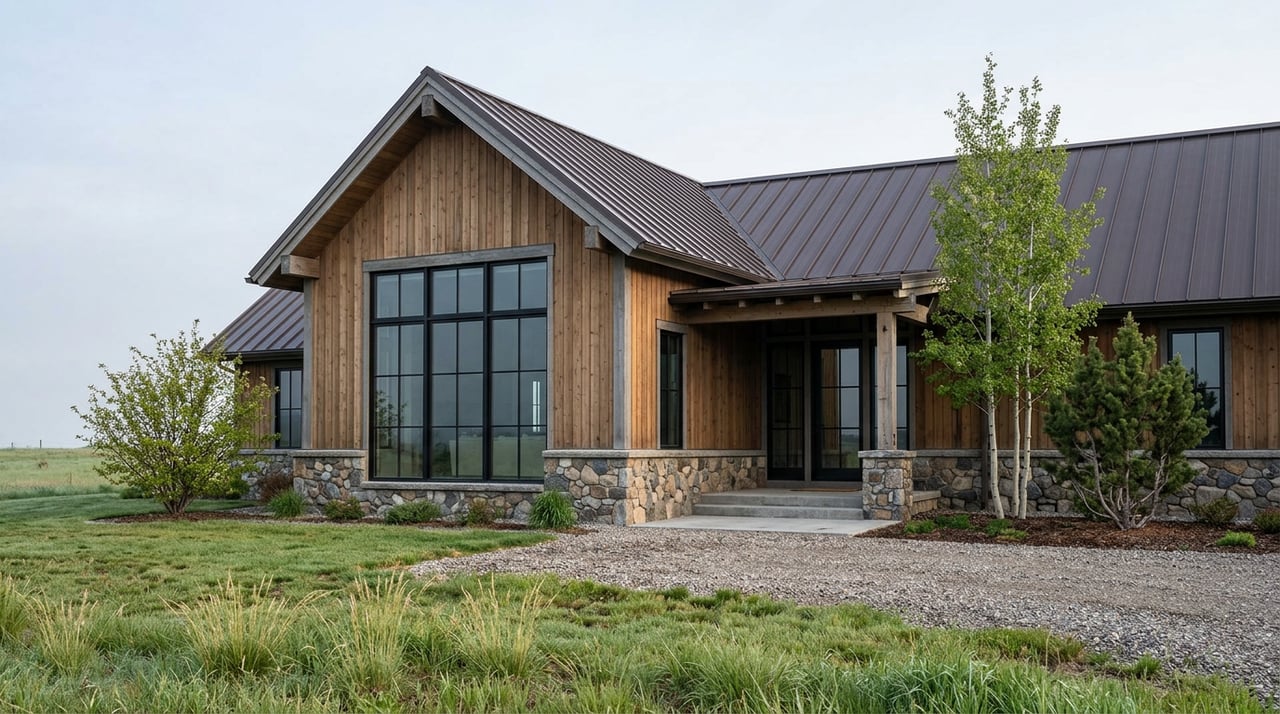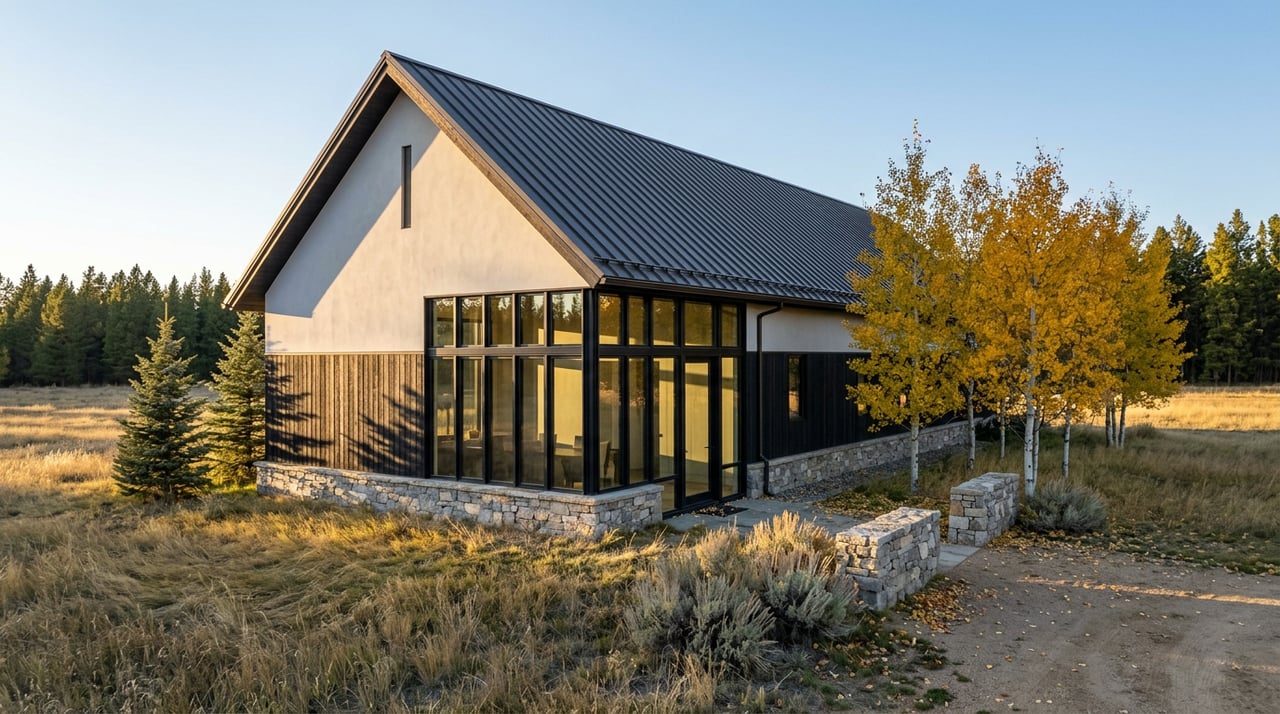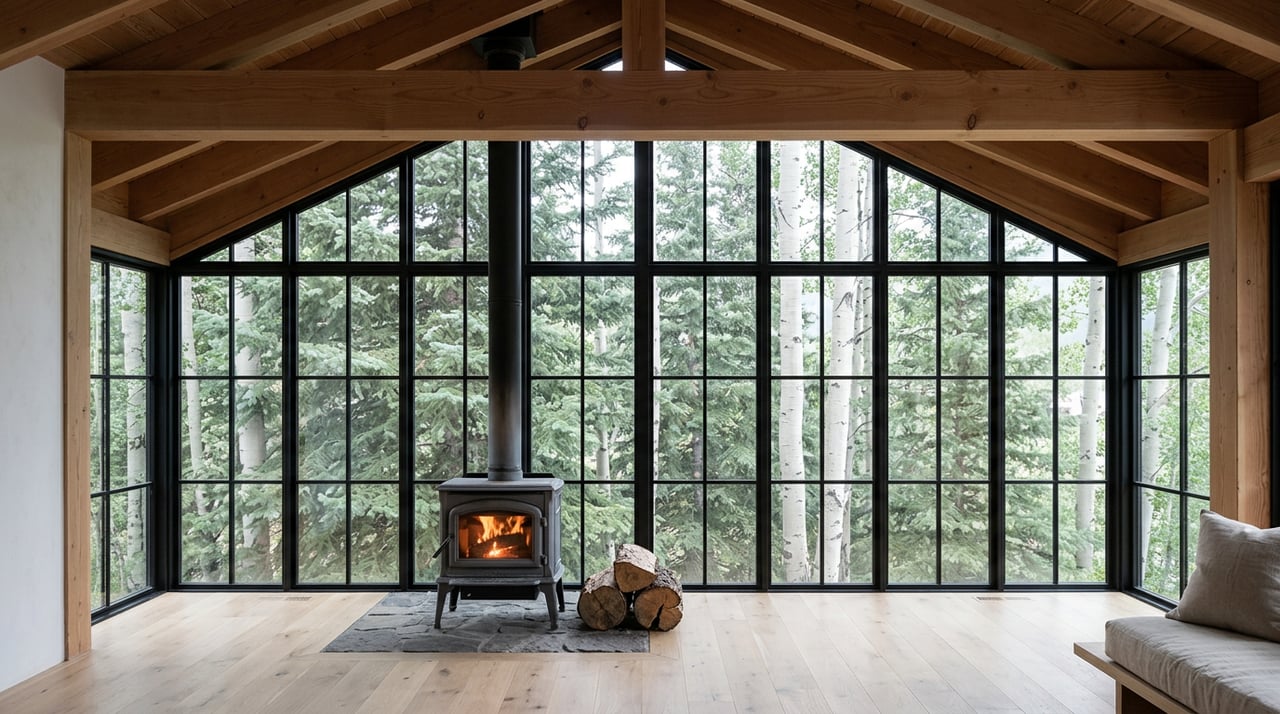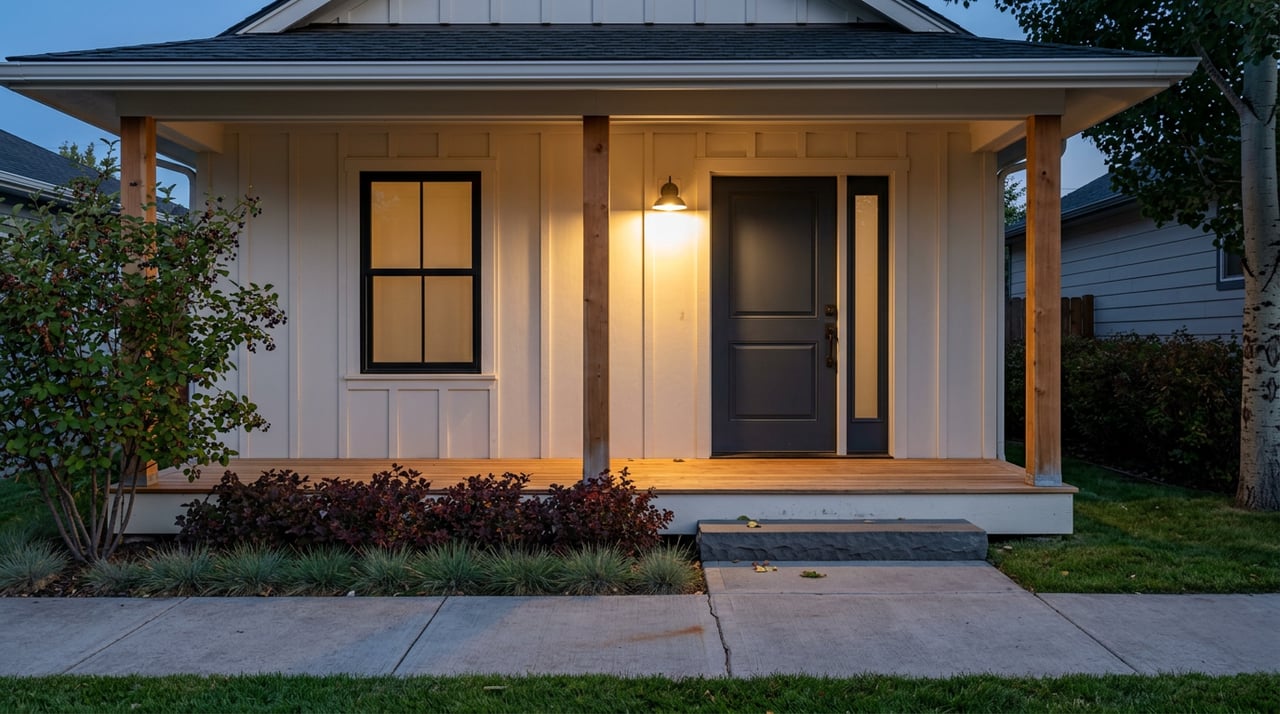
Buying a new-construction townhome in Hailey can feel straightforward at first glance. Everything is new, the finishes are clean, and the floor plan may look like an easy fit for mountain living. But in a market where attached homes carried a median sale price of $815,450 in Blaine County in 2024, and where estimated affordability for that median attached home reached about $235,000 in annual income with 20% down, the real question is not just whether you like the unit. It is whether the full ownership structure, site plan, and monthly costs make sense for you over time. This is where a more careful evaluation pays off. Let’s dive in.
Why townhome details matter in Hailey
In Hailey, a townhome is not just a marketing term. The city defines townhouses as row-style buildings with party walls running from the basement floor to the roof, with each unit having its own outside access and no unit located over another. The city also separately defines cottage units as single townhouse units on individual sublots.
That distinction can affect how the project is platted, how parking is laid out, and what the homeowners association is expected to handle. If you are comparing multiple new-construction options, this is one of the first things to confirm because it can shape both your ownership experience and your long-term costs.
Start with the ownership structure
Before you focus on countertops or appliance packages, confirm exactly what you are buying. Ask whether the project is legally structured as a townhouse, cottage-style townhouse, or condo-style ownership. These can look similar in a brochure while working very differently in practice.
This matters because the governing documents often decide who is responsible for exterior maintenance, landscaping, snow removal, shared drives, insurance, and common-area repairs. In Hailey, that is especially important because weather, snow, and site conditions can make exterior obligations more costly than many buyers expect.
Read the site plan like a buyer
In Hailey, livability comes from the site plan as much as the interior layout. The city’s design standards favor human-scale buildings, visible front doors, residential-scale windows, and pedestrian-oriented ground-level design. Parking is generally expected at the rear of the building and buffered from the street, often with alley access when available.
For you as a buyer, that means the best project is not always the one with the flashiest finishes. A stronger project often shows clear entry access, practical garage placement, usable outdoor circulation, and walkways that still feel functional in winter.
Check how you move through the property
When you tour a new townhome project, pay attention to how daily life would actually work. Can you easily get from your car to the front door during a snowstorm? Is guest parking obvious and usable? Do the entries feel protected and visible?
These details sound small, but they shape your experience every day. In mountain markets, convenience and weather resilience often carry more value than one extra design feature inside the home.
Look for snow-safe design
Snow management should be part of your evaluation from day one. Hailey’s building code amendments require roofs to sustain 100 pounds per square foot of snow load, and local climatic design criteria list a 120 pounds per square foot ground snow load.
That should push you to ask practical questions. How does the roof shed snow? Where does meltwater go? Are entries and walkways protected from sliding snow and ice? Is there a realistic plan for snow removal in shared areas?
Evaluate energy performance and durability
Energy efficiency is not just a nice bonus in Hailey. The city’s design standards require buildings to use at least three energy-saving techniques, such as solar orientation, south-facing glazing with roof overhangs, double-glazed or low-e windows, earth berming, or on-site solar and other alternative energy features.
For you, this means a new-construction townhome should be evaluated beyond the finish sheet. Ask which energy-saving measures were actually used and how they help with comfort, utility costs, and long-term durability.
Ask about the building envelope
A strong mountain townhome needs more than attractive interiors. It should have well-executed insulation, thoughtful envelope sealing, good-quality windows, and drainage that works in all seasons.
An independent inspection can be useful here, even on new construction. Inspection attention should be directed toward the roof, insulation, sealing, plumbing, grading, drainage, and finish quality before closing.
Confirm climate-ready features
Hailey’s standards also call for snow protection over entries and walkways, underground service lines, screened mechanical equipment, and drought-tolerant landscaping suited to the local climate. The city’s sustainability planning also highlights resilience related to drought, wildfire, flooding, and heat waves.
That makes durability a real value factor. Materials, drainage planning, and exterior details should support year-round performance, not just curb appeal on move-in day.
Review permits and design approval
In Hailey, the approval process is part of the product. The city states that nearly all multi-family residential projects with three or more units require Design Review approval. The process is intended to protect property rights and values while improving landscaping, parking circulation, and functional architecture.
You should not rely only on marketing materials when evaluating a project. Ask about design review status, permit history, and whether the project has received the approvals needed for its current stage.
Verify the public process
Hailey’s planning department notes that applications typically need to be on a Planning and Zoning Commission agenda about 5.5 weeks before the meeting. The city’s new-construction application materials can include a building permit application, construction waste plan, water and wastewater items, irrigation, encroachment, shallow injection well items, and a certificate-of-occupancy checklist.
That tells you something important. A polished sales presentation does not replace municipal process. If a project is early in development, understanding where it stands in review can help you better judge timing, risk, and readiness.
Vet the builder carefully
Builder reputation matters in any market, but especially in a location where weather, snow load, drainage, and site conditions can expose shortcuts quickly. In Idaho, contractors are required to be registered, not licensed, and the state provides free primary-source verification through its contractor search.
That makes registration and insurance verification an early step, not an afterthought. If you are considering a newly built townhome, confirm that the contractor is properly registered and ask for proof of insurance.
Understand required disclosures
Idaho also requires general contractors to provide a disclosure before contracts over $2,000 for residential work or for the sale of newly constructed property. That disclosure includes information about insurance, lien-waiver rights, title insurance, and the option for a surety bond.
This is worth taking seriously. According to the state, unregistered contractors can lose permit access, lien rights, and contract rights. For you, that means builder verification is not just a paperwork exercise. It is part of protecting your purchase.
Break down HOA costs and responsibilities
For many buyers, the HOA is where the real economics of a townhome become clear. HOA dues are usually separate from your mortgage payment, and the association may set standards, collect fees, and maintain common areas under the CC&Rs or bylaws.
In a Hailey townhome community, your monthly carrying costs may include more than principal, interest, taxes, and homeowners insurance. You may also need to budget for HOA dues, maintenance, repairs, utilities, and in some cases supplemental flood insurance.
Review the documents before you commit
Before you move forward, review the CC&Rs, bylaws, financial statements, reserve funding, and any provisions for special assessments. You want to know whether the HOA is funded in a way that supports the property over time or whether future owners may face added costs later.
This is especially relevant in a market where exterior upkeep can be expensive. Snow removal, shared drives, roofs, drainage systems, and landscaping all need ongoing management, and weak reserve planning can become your problem after closing.
Confirm who insures what
Insurance responsibilities can vary by community type. You should confirm whether the association, the owner, or both are responsible for exterior insurance and interior coverage.
That single detail can affect your monthly budget more than some buyers expect. It can also shape how claims are handled if there is damage to a shared wall, roof section, or common area.
Check flood and wildfire exposure early
Site risk is part of the value equation in Hailey. The city requires a Flood Hazard Development Permit in the Special Flood Hazard Area for new structures, grading, excavation, fencing, and stream alteration. The city also notes that standard homeowners insurance does not cover flood damage.
If a project is near a flood-prone corridor, ask about floodplain status early. Do not wait until closing to start pricing coverage, since the city notes that a 30-day waiting period is common for flood insurance.
Wildfire should also be part of your review. Blaine County identifies wildfire as a common local hazard and recommends defensible space, roof and gutter maintenance, and evacuation planning. Even in attached housing, the surrounding site and management approach matter.
A practical checklist for buyers
If you are comparing new-construction townhomes in Hailey, use this checklist to keep the evaluation grounded:
- Confirm whether the project is a townhouse, cottage-style townhouse, or another ownership structure.
- Review design review status, permit history, and available public findings.
- Test the floor plan for daily mountain living, including entry access, storage, garage layout, and winter circulation.
- Verify energy-saving features, roof and snow design, drainage, and exterior lighting.
- Check builder registration, insurance, disclosures, and references.
- Read the HOA documents, budget, reserve funding, special-assessment terms, and insurance responsibilities.
- Check floodplain and wildfire exposure before deciding whether the asking price and HOA dues tell the full story.
The best value is rarely just the newest finish
In Hailey, a strong new-construction townhome is a package. It includes the legal structure, the quality of the site plan, weather-ready design, sound approvals, a credible builder, and an HOA setup that supports the property over time.
That is why a careful review matters. When you evaluate the whole picture instead of just the interior look and feel, you make a more confident decision and protect your long-term value.
If you want a data-driven review of a new-construction townhome in Hailey, from project structure to pricing context and resale potential, Jordan Jadallah offers the local market insight and concierge guidance to help you buy with clarity.
FAQs
What should you review before buying a new-construction townhome in Hailey?
- Confirm the ownership structure, review permits and design approvals, verify the builder’s Idaho registration, inspect the home independently, and read the HOA documents carefully.
Why do HOA documents matter for Hailey townhomes?
- HOA documents help you understand dues, maintenance responsibilities, reserve funding, insurance obligations, and the risk of future special assessments.
How does snow affect new-construction townhomes in Hailey?
- Snow affects roof design, drainage, entry protection, walkway safety, and ongoing snow-removal planning, so it should be part of your quality review.
What site risks should buyers check for Hailey townhomes?
- Buyers should check for floodplain exposure and wildfire risk, since both can affect insurance, maintenance, and long-term ownership costs.
How can you verify a builder for a new Hailey townhome?
- In Idaho, you can verify whether a contractor is properly registered through the state’s contractor verification system and also confirm insurance and required disclosures.