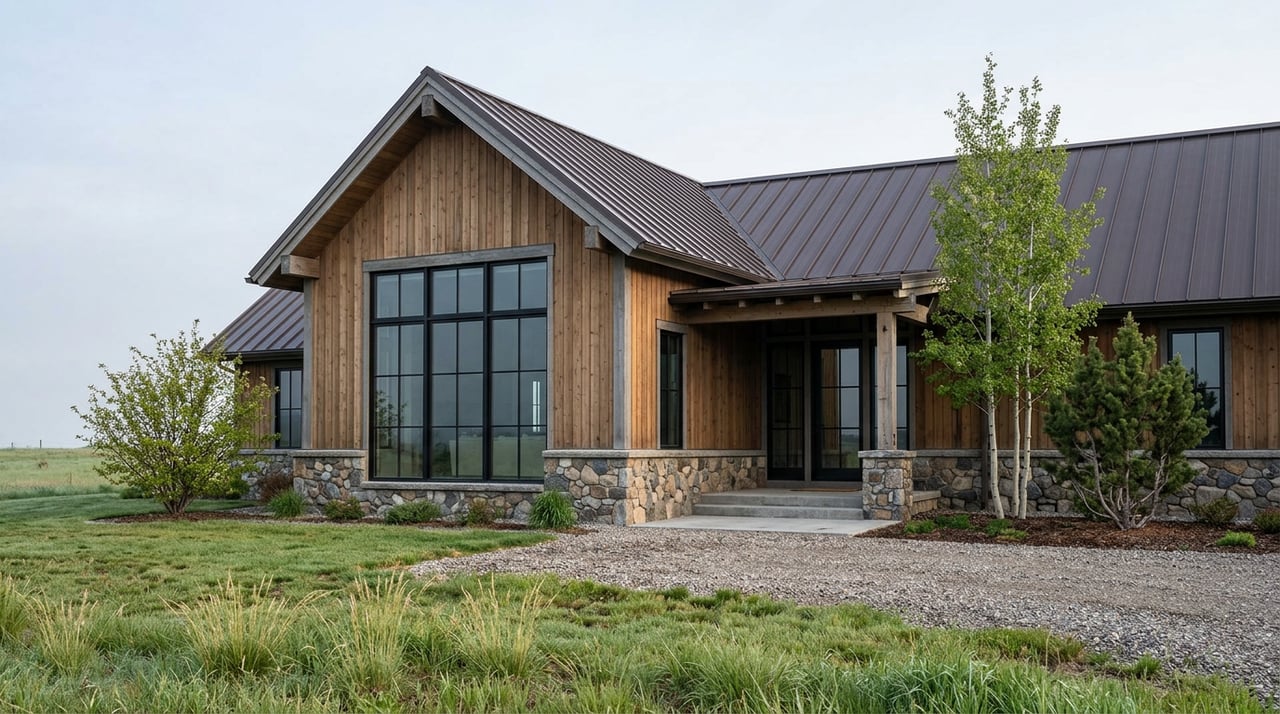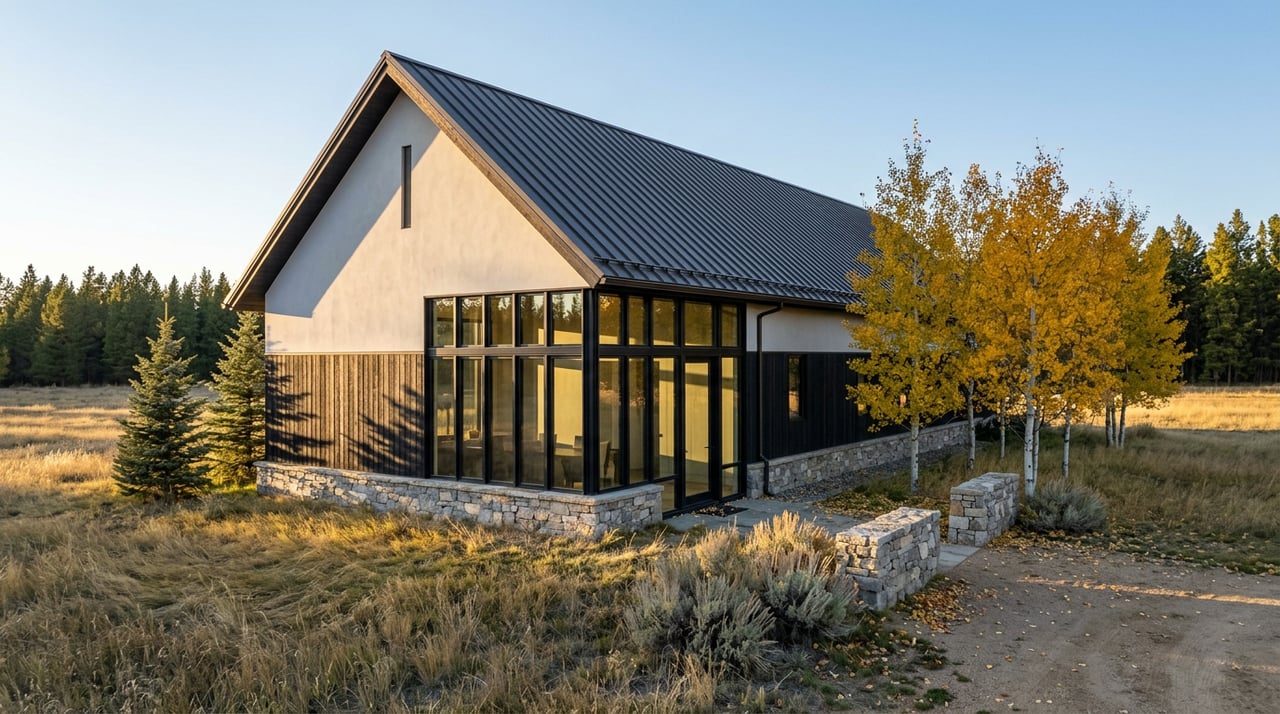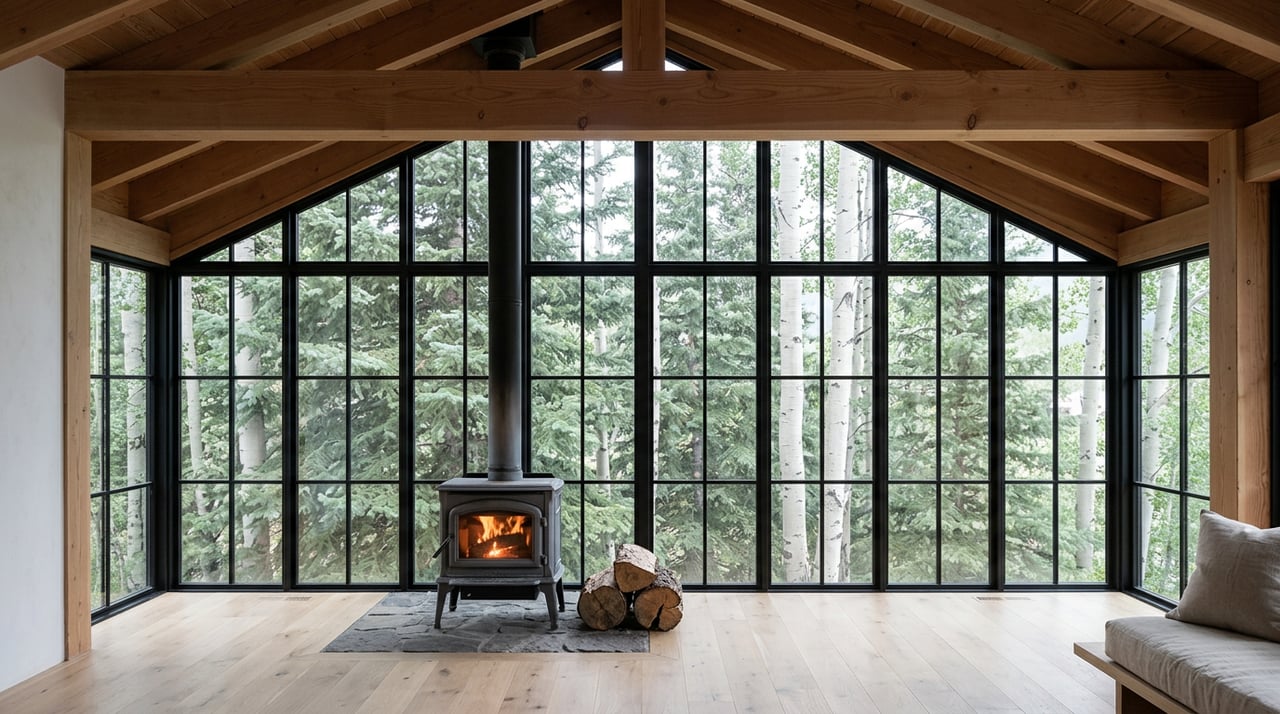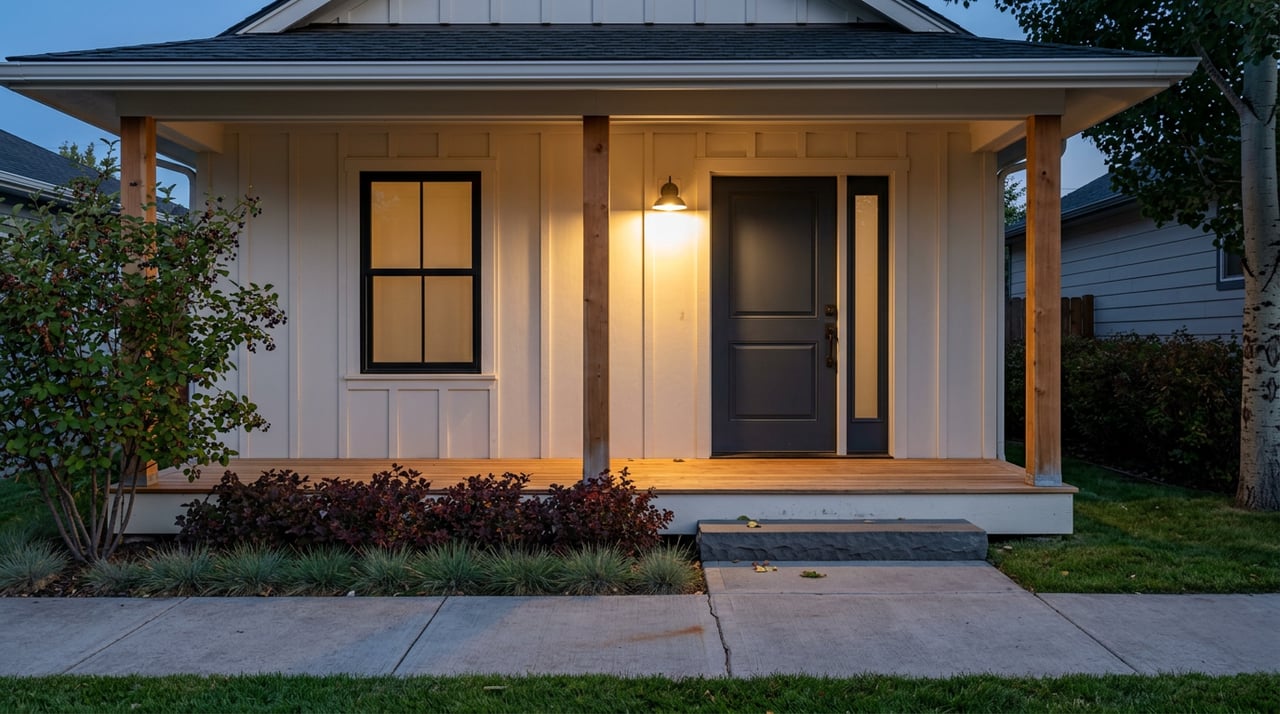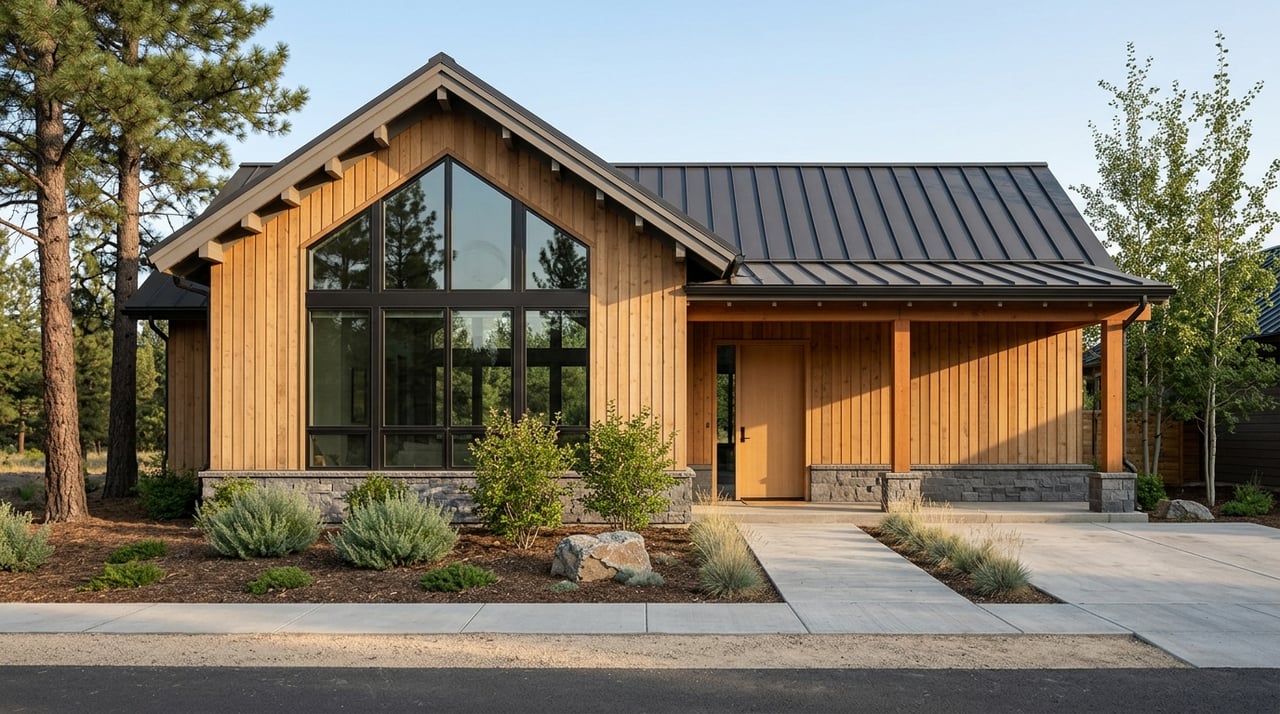
Thinking about building a luxury home in Blaine County? The design itself is only part of the story. Before you fall in love with glass walls, a dramatic roofline, or a view-facing great room, you need to know what the site can actually support, what the local jurisdiction will require, and how your future resale market may shape smart decisions from day one. This guide walks you through the key planning issues so you can move forward with more clarity and fewer surprises. Let’s dive in.
Start With the Right Jurisdiction
In Blaine County, a parcel’s location matters just as much as its address. A site in unincorporated Blaine County can follow a different planning and building path than a lot inside Ketchum or Sun Valley. That means your first step is confirming exactly which jurisdiction controls the property before you start concept drawings.
This matters because each jurisdiction has its own review sequence and permit process. Blaine County notes that all projects are subject to zoning review, even when a building permit may not be required. In Sun Valley, design review must be approved before building permit review, while Ketchum routes permits through its own building services process.
If your team starts drawing before confirming jurisdiction, you can lose time and money revising the plan later. A smooth luxury build usually starts with the entitlement path, not the floor plan.
Know the Permit Timeline Early
In unincorporated Blaine County, digital plan submittals now run through OpenGov. The county states that the permit process is usually about four weeks during the heavier March through October season, though incomplete applications can take longer.
That timeline is important for scheduling consultants, lining up builder availability, and setting realistic expectations. Luxury projects often involve more moving parts, including drainage, access, fire review, and utility coordination. The more complete your early package is, the better your chances of avoiding delays.
Build Around Site Constraints First
A luxury home in Blaine County often succeeds or struggles based on the land itself. Topography, access, floodplain conditions, riparian setbacks, wildfire considerations, and snow loads can all influence what is practical, what is allowed, and what will cost more to build.
The county’s permit checklist reflects this reality. For a new build, required materials can include a scaled site plan, drainage plan, septic and well locations, fire-district approval, emergency access for fire apparatus, and identification of floodplain, wetlands, avalanche-prone areas, and hillside toe conditions.
In other words, the site is not a blank canvas. The lot will tell you a lot about what the house should be.
Hillside and Mountain Overlay Issues
If your parcel falls within the Mountain Overlay District, the review process becomes more detailed. Blaine County asks for adjoining-owner maps, slope and elevation analysis, fire-district comments, South Central Public Health approval, and responses to design-review standards.
Those standards are especially relevant for high-end mountain homes because they focus on how a structure sits in the landscape. The county calls for minimizing visibility from reference roads, keeping structures below the skyline, conforming to natural terrain, preserving native or native-compatible vegetation, and using non-reflective materials with limited exterior lighting and glazing.
For buyers and developers, this means view lots are not always simple build sites. A parcel may be visually striking, but slope and overlay rules can strongly shape the size, siting, and appearance of the final home.
On steeper sites, density can also become a factor. In the Mountain Overlay District, slopes over 25% are subject to base-density rules that vary depending on whether the parcel is inside or outside the urban influence boundary.
Retaining Walls and Grading Costs
Retaining walls can become a major design and budget item on luxury hillside lots. Blaine County flags retaining walls over 4 feet as engineered work, which matters for terraced entries, stepped outdoor living areas, basement garages, and podium-style foundations.
That does not mean these features are off the table. It means they should be evaluated early, when you can still align architecture, engineering, and budget before the plans are too far along.
Water, Floodplain, and Riparian Setbacks
Water-related rules can shape a project as much as views do. In Blaine County floodplain areas, new construction must be anchored, flood-resistant, and elevated or floodproofed. The first floor of living space and mechanical systems must be at least two feet above the mapped flood level.
Floodplain review also applies to grading, cut-and-fill, riprap, and bank-stabilization work. If your dream site is near water, that location may bring extra review, engineering, and cost considerations.
Riparian setbacks are separate from floodplain rules, and they are easy to overlook if you are focused only on the house pad. Blaine County prohibits construction and septic systems within riparian setbacks, with setback widths based on stream class.
For example, the setback is 75 feet for Class 1 streams such as the Big Wood River, 50 feet for Class 2 streams, and 25 feet for Class 3 and 4 streams. If your parcel is served by private systems, well and septic planning should happen early because county materials specifically call out those approvals.
Fire Access and Wildfire Planning
Fire planning is not a box to check late in the process. In Blaine County, fire-district approval is part of the permit checklist, and emergency access for fire apparatus is a stated requirement. The county also adopts the 2018 International Fire Code with local amendments and treats the area as a wildland-urban interface risk area in its fire ordinance findings.
One notable requirement is that new construction, additions, and re-roofs must use Class A non-wood roof coverings. That can influence both aesthetics and product selection on luxury homes where roof form is a central design feature.
If your site is steep, remote, or heavily treed, emergency access should be planned from the start. Driveway geometry, turnaround space, and home placement all affect how feasible your project will be during review.
Plan for Snow Loads and Structural Design
Snow loads in Blaine County are site-specific, not one-size-fits-all. According to the county FAQ, permitted buildings after 1977 were designed to location-based roof snow loads, with listed zones ranging from 50 psf in Carey Valley to 150 psf north of Ketchum to Smiley Creek.
For luxury construction, that matters early. Snow load assumptions can affect roof geometry, structural spans, drainage design, and overall building cost. If you are planning expansive glazing, long rooflines, or large open rooms, your structural team needs reliable site-specific information before the design advances too far.
Large Homes Need Early Fire-System Coordination
If you are planning a larger luxury home, fire protection may be a major design input. In Sun Valley, design review comes before building permit review, and the city states that buildings over 6,000 square feet require automatic sprinklers, including townhomes.
Ketchum code materials also state that new buildings with 6,000 or more square feet of floor area must have an approved automatic sprinkler system, and partially fire-sprinklered buildings are not allowed. Ketchum also limits construction hours to 7:30 a.m. to 7:00 p.m. on weekdays and Saturdays, with no work on Sundays or holidays.
These are not small details. On a luxury build, sprinklers, mechanical routing, utility space, garage layout, and roof design should be coordinated in the first schematic set rather than treated as last-minute add-ons.
A Smart Pre-Architect Checklist
Before your architect develops a full concept, it helps to confirm the basics that most often affect schedule and feasibility.
- Confirm whether the parcel is in Blaine County, Ketchum, or Sun Valley.
- Order a survey and topographic base map early.
- Identify zoning, overlays, floodplain, riparian, avalanche, and access constraints.
- Verify sewer or septic, water supply, and well requirements.
- Check fire access and emergency-vehicle requirements.
- Evaluate whether retaining walls or major grading will be needed.
- If the home may exceed 6,000 square feet, plan for sprinkler coordination early.
- Match your design and budget to the specific submarket where the home will eventually compete.
This sequence can save you from designing a house that looks right on paper but does not fit the lot, the code path, or the likely buyer pool.
Think About Resale While You Plan
Luxury new construction should be designed for your lifestyle, but smart owners and developers also think about resale from the beginning. In Blaine County, the market is not one single pricing environment. It breaks into distinct submarkets with different price points, supply levels, and buyer expectations.
A Q1 2026 county update reported a countywide median sales price of about $1 million for single-family homes and condos, with 110 average days on market, 87 closed sales, and 130 active listings. But the submarket split tells the real story.
In that same update, Ketchum posted a $915,000 median, Sun Valley posted a $1.54 million median, South of Ketchum posted a $3.69 million median, North of Ketchum posted a $4.5 million median on only one sale, and South Blaine County posted a $683,000 median. That is a wide spread.
Luxury liquidity is also concentrated in a few pockets. Countywide, 6.9% of Q1 2026 closings were over $5 million, while South of Ketchum saw 25% of closings over $5 million and 50% in the $3 million to $5 million range.
The takeaway is simple: you should not anchor your exit strategy to a countywide average. A home’s likely resale value depends heavily on its submarket, lot quality, access pattern, and how well the design matches what buyers in that area actually seek.
Why Local Guidance Matters
Planning a luxury new build in Blaine County is rarely just about architecture. It is about coordinating land use, municipal process, engineering realities, construction planning, and future market positioning in one clear strategy.
That is where strong local guidance can create real value. When you understand the site, the jurisdiction, and the submarket before committing to a design, you are in a much better position to protect your timeline, control avoidable costs, and make decisions that support long-term value.
If you are evaluating a buildable lot, refining a luxury home concept, or planning a development-minded exit, working with a local advisor who understands both the entitlement path and the resale landscape can help you move with confidence. To start the conversation, schedule a free consultation with Jordan Jadallah.
FAQs
What should you verify before designing a luxury new build in Blaine County?
- Confirm the parcel’s jurisdiction, zoning, overlays, floodplain or riparian constraints, utility setup, fire access, and topographic conditions before finalizing concept plans.
How long does the Blaine County permit process usually take?
- Blaine County states that the permit process is usually about four weeks during the March through October heavy season, but incomplete applications can take longer.
Do hillside lots in Blaine County face extra review?
- Yes. Parcels in the Mountain Overlay District may require added materials such as slope analysis, adjoining-owner maps, fire comments, health review, and responses to hillside design standards.
What floodplain rules affect new construction in Blaine County?
- In floodplain areas, new construction must be anchored, flood-resistant, and elevated or floodproofed, with living space and mechanicals at least two feet above the mapped flood level.
Are sprinklers required for large luxury homes in Ketchum or Sun Valley?
- Yes. Current city materials state that new buildings at or above 6,000 square feet require approved automatic sprinkler systems in both Ketchum and Sun Valley.
Why does submarket analysis matter for a Blaine County luxury build?
- Blaine County includes very different pricing bands and buyer pools, so the right design, finish level, and exit strategy should be matched to the specific area rather than to countywide averages.