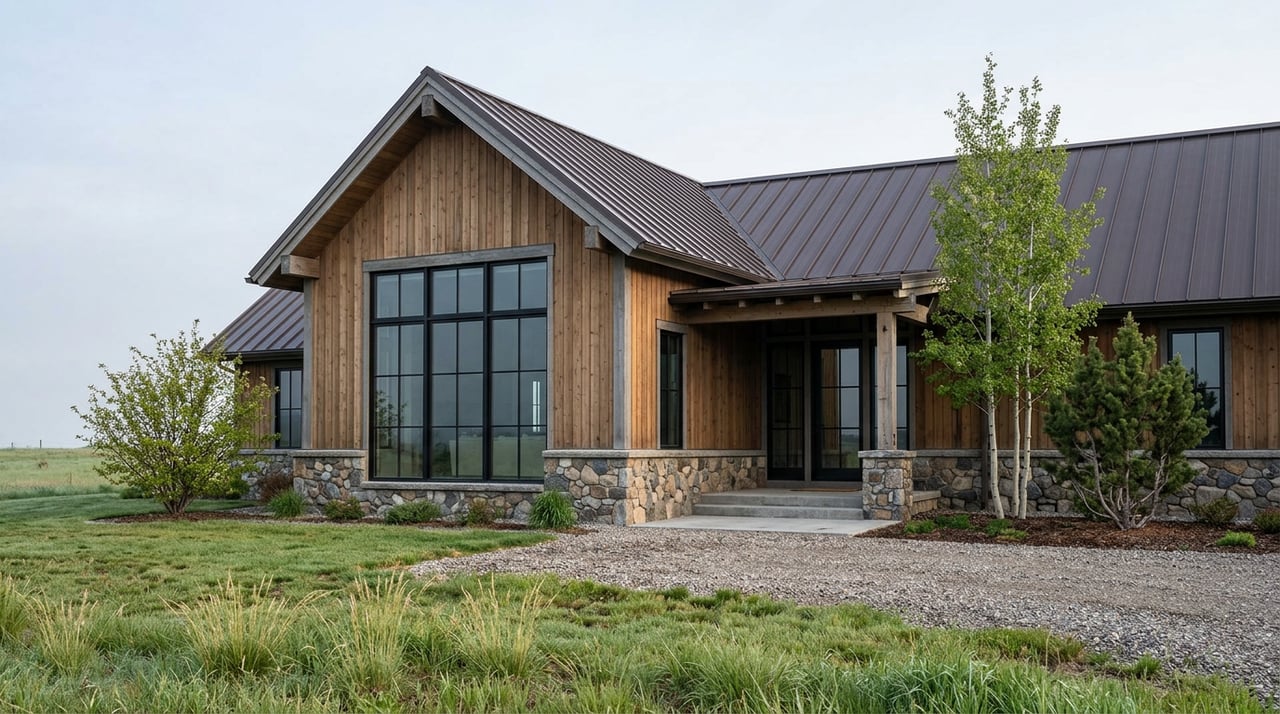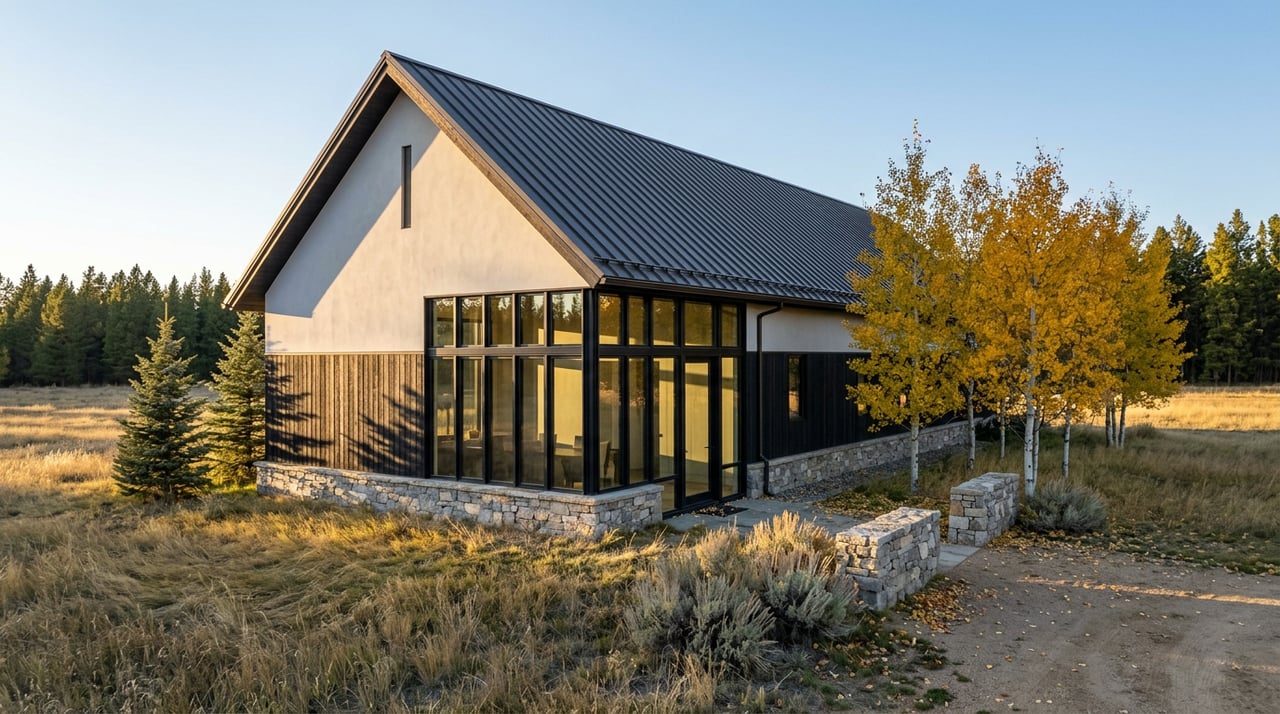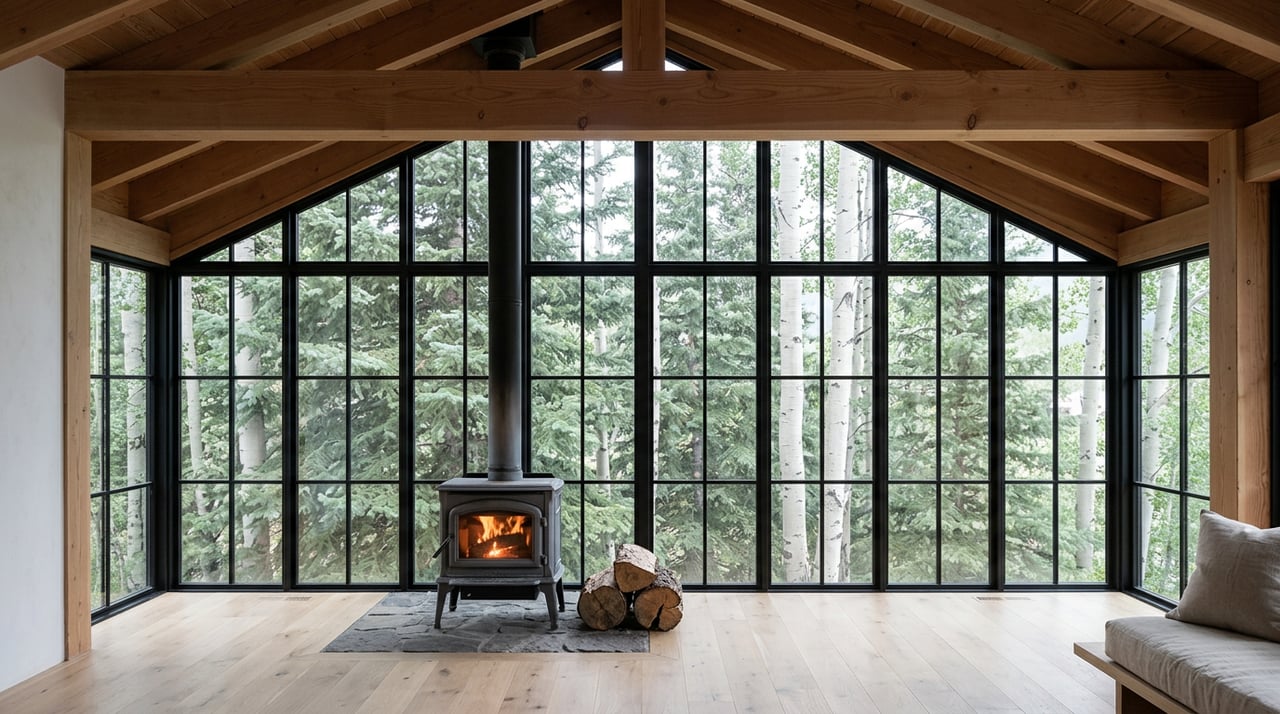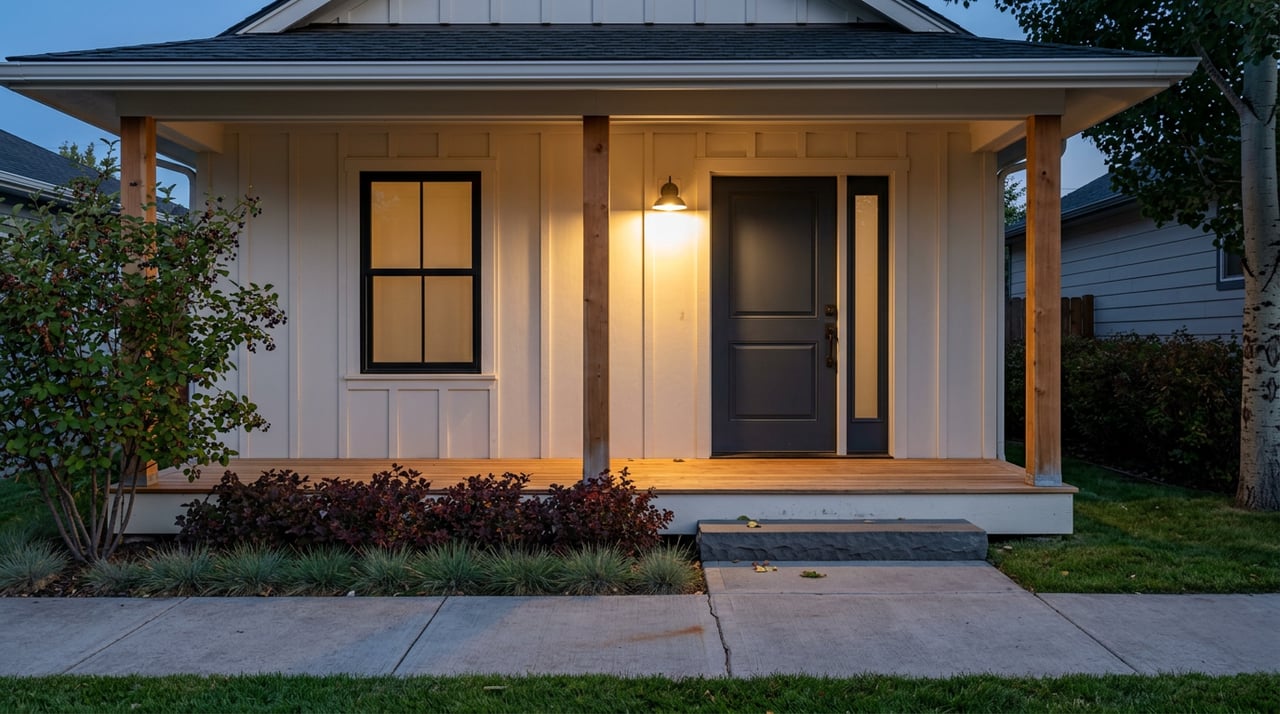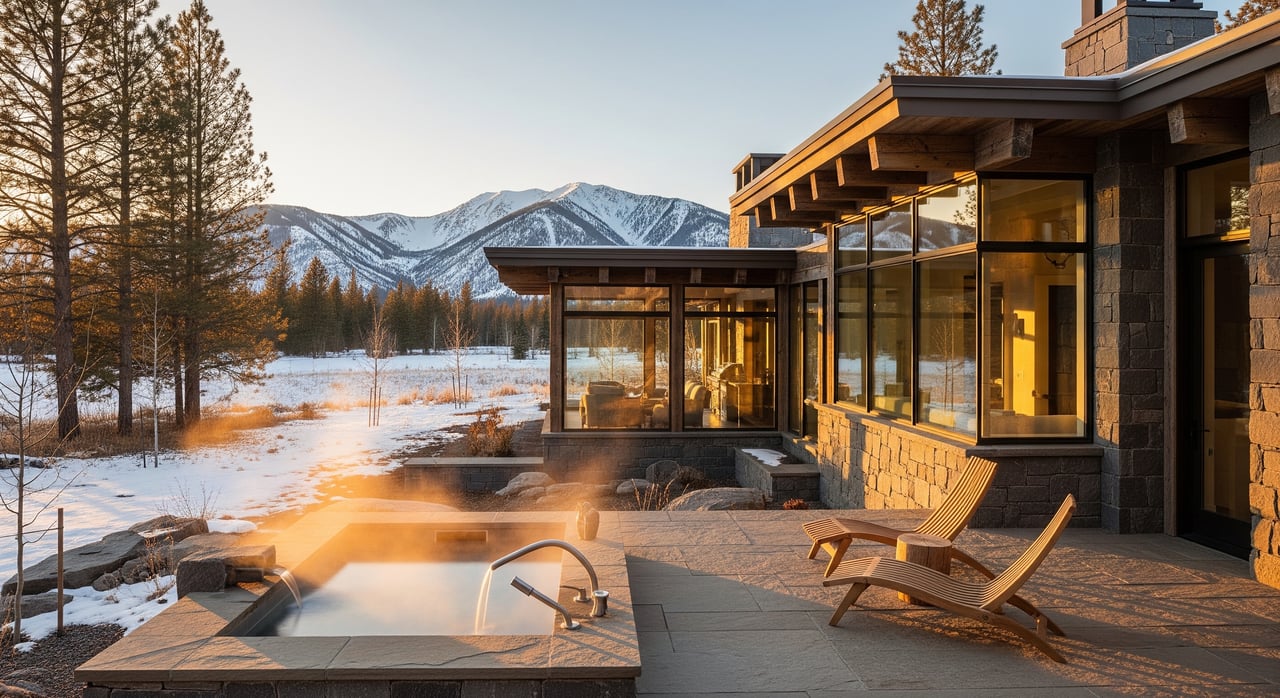
What if your front yard shifted with the seasons, from powder mornings to golden fall trails? If you are weighing a second home in Sun Valley, you want clarity on lifestyle, costs, and what it really takes to own here. You also want a plan that fits how you live, whether your goal is pure retreat, rental income, or both. In this guide, you will learn how Sun Valley works for second-home owners, from neighborhoods and seasons to access, costs, and rental rules. Let’s dive in.
Why Sun Valley fits second-home living
Sun Valley refers to the resort community and the nearby towns of Ketchum and Hailey in Blaine County. You get big-mountain skiing on Bald Mountain, a polished resort core, and a compact, lively downtown in Ketchum with dining and retail. In summer and fall, you can hike, bike, golf, and fly fish across a deep trail and river network.
The market leans luxury. You will see ski-adjacent condos and townhomes near Sun Valley Village and River Run, plus estates in golf and mountain settings. There are also historic cabins and smaller homes in Warm Springs and North Ketchum. During 2020 to 2024, demand surged and inventory tightened. Since 2023, some cooling and longer market times have appeared, but well-positioned luxury properties still see limited supply.
If you are buying a second home, expect strong lifestyle access and a seasonal rhythm that shapes travel, rental demand, and services. Planning around that rhythm is key.
Seasonal rhythm and how to plan
Winter essentials
Winter is peak season. Ski access to Bald Mountain and River Run draws visitors and part-time residents. Local traffic increases and restaurants and shops run at full service. Plan for snow removal, winterization, and higher heating use. Utilities and service costs can climb during cold snaps, especially in older homes.
Travel is manageable with seasonal flight increases at Friedman Memorial Airport in Hailey. Many owners fly in for long weekends or split the season. If you drive, watch storm windows, chain rules, and mountain passes. Consider a local snow removal contract and a smart thermostat to protect pipes during vacancy.
Summer and fall highlights
Summer and early fall are a close second to winter for activity. Trails, rivers, and golf courses are in full swing, and cultural events keep the calendar full. The region can face wildfire risk and occasional smoke in dry years. If your home sits near the wildland-urban interface, create a wildfire mitigation plan and keep vegetation managed.
Spring shoulder season
As snow melts, you can see mud season in some areas and variable road conditions. Short-term rental demand usually dips between ski season and summer. This can be a good time to schedule repairs or upgrades when vendors are more available.
Getting here and getting around
Friedman Memorial Airport in Hailey is the primary commercial gateway, with service that shifts by season and carrier. Boise is a common drive of about 2.5 to 3 hours in clear weather. Winter driving may require AWD or 4WD and chain awareness.
Medical services are anchored by St. Luke’s Wood River Medical Center, which provides emergency and some inpatient care. For complex cases, you may route to Boise. Utilities are typical of a mountain resort setting. Electricity is provided by regional suppliers, some neighborhoods have municipal water and sewer, and more remote properties may use well, septic, and propane. Broadband varies by neighborhood, and fiber access has been expanding, so confirm service at the address before you buy.
Neighborhoods and property types
Sun Valley Village and River Run
If you value convenience, ski-adjacent condos and townhomes near resort amenities can be attractive. These properties often align with part-time living and can offer seasonal rental potential, subject to local rules and HOA policies.
Warm Springs and North Ketchum
You will find older cottages and residences with character and proximity to downtown Ketchum. Buyers who want access to restaurants and retail often consider these areas. Study snow-load history on older roofs and review local snow-removal plans.
Elkhorn and golf communities
Elkhorn and related golf neighborhoods feature larger lots, estate homes, and amenity sets that can include golf, pools, and club facilities. HOAs are common and dues vary by services provided, such as road maintenance and snow removal.
Trail Creek and Bald Mountain rim
Luxury homes with elevated views and close proximity to ski terrain or backcountry access appear in these areas. Pay close attention to winter access, roof design for snow load, and potential avalanche exposure on steep slopes.
Hailey and Bellevue
These towns offer broader residential choice and may present more approachable pricing compared with core resort zones. Hailey also includes the airport and a range of local services. Check municipal service coverage and any rental regulations by zoning.
Remote cabins and acreage
If you want privacy, Blaine County has larger parcels and ranchettes. These settings can mean added maintenance, private road agreements, well and septic systems, and longer snow removal routes. Confirm access plans for heavy snow years.
Ownership costs and budget basics
Mountain homes have a clear cost profile. Build your plan around these categories:
- Property taxes. Idaho’s overall property tax burden is often lower than many states, but taxes can still be substantial for high-value resort homes. Always review the Blaine County Assessor’s parcel records for rates and trends.
- HOA dues. Condos and planned communities often have HOAs. Dues can be modest or reach higher levels when amenities and services are extensive.
- Insurance. Expect standard homeowners coverage plus wildfire, wind, liability for rentals, and possibly flood coverage if you are in a mapped floodplain. Availability and pricing depend on location, risk, and mitigation measures.
- Utilities and fuel. Electric, water, sewer or septic, trash, and propane where used. Winter heating can be a significant line item, especially in older properties.
- Maintenance and seasonal prep. A common rule of thumb is 1 to 3 percent of property value annually for upkeep, plus capital reserves for major items like roofs and HVAC. Budget for snow removal, deck and wood treatment, and any special repairs tied to snow load.
- Property management. If you rent, full-service management often ranges from roughly 15 to 40 percent of gross rental revenue depending on scope. Caretaking and housekeeping add to costs for non-renting owners.
Build a line-item budget for your address and verify costs with actual quotes during due diligence.
Renting your home: rules and reality
Short-term rental rules differ by jurisdiction and zoning. Ketchum has some of the strictest regulations in the valley. You should expect licensing or permits, occupancy and parking standards, and in some areas potential caps. The City of Sun Valley and Blaine County have their own frameworks. Confirm legality and permit availability for the specific property before you buy, and review HOA documents for any rental restrictions.
If you plan to rent, understand taxes and compliance. Idaho has a state income tax, and rental income is subject to state and federal rules for reporting. Many rentals require collection and remittance of lodging taxes. While Idaho does not generally have a separate real estate transfer tax, you should plan for standard closing, title, and recording costs.
Your rental performance will depend on location, property type, legal status, seasonality, and management quality. Model your numbers with realistic occupancy assumptions and full fee loads before you commit.
Due diligence roadmap for buyers
Use this checklist to lower risk and make faster, clearer decisions:
- Market data. Pull recent comparable sales, days on market, and seasonal trends for the specific neighborhood.
- STR rules. Verify current ordinances, permit paths, and capacity by zoning for the exact address.
- Property taxes. Review historical assessed values and any trending changes.
- HOA documents. Read CC&Rs, reserve studies, meeting minutes, and fee histories. Watch for special assessments.
- Insurance. Obtain quotes that reflect wildfire risk, flood maps, and required mitigation steps.
- Inspections. Focus on roof and snow-load capacity, heating systems and winterization, water and sewer systems, and driveway grading with snow removal logistics.
- Utilities and services. Confirm electricity, propane if applicable, fiber or internet availability, and municipal services like plowing and trash.
- Access logistics. Review typical flight schedules by season, winter driving norms, and parking or garage capacity at the property.
- Environmental checks. Reference FEMA flood maps, wildfire risk maps, and any avalanche exposure depending on the site.
- Property management. Compare local companies, scopes of service, fee schedules, and tax remittance support.
- Tax planning. Talk with a CPA about Idaho filing for rental income and capital gains rules if you plan to sell later.
Smart operations for part-time living
Set your home up for low-stress use across the calendar.
- Winterize on a schedule. Drain lines where appropriate, maintain heating backups, and install freeze alerts.
- Plan for snow. Put a driveway snow removal contract in place and set snow-load clearing protocols for roofs and decks.
- Use smart systems. Monitored thermostats, leak sensors, and cameras can lower risk during vacancy.
- Build your vendor bench. Line up HVAC, plumbing, electrical, landscaping, and small-job help. Expect seasonal variability in vendor availability.
- Prepare for fire season. Create defensible space, use ember-resistant vents where possible, and store outdoor cushions and umbrellas during high-wind events.
- Verify connectivity. Confirm broadband speeds and fiber availability by address if you plan to work remotely.
How Jordan Jadallah helps
You want more than a tour. You want a clear, data-backed path to the right property and a smooth process from offer to close. As a boutique advisor in Sun Valley and greater Blaine County, Jordan combines market analytics, premium visual storytelling, and concierge-level transaction management. That means evidence-based pricing guidance, curated short lists that match your lifestyle and risk profile, and hands-on coordination with local professionals for inspections, insurance quotes, and regulatory checks.
Whether you are targeting a ski-adjacent condo with rental potential or a private estate with long views, you get a strategy that aligns with seasonal realities, ownership costs, and compliance. The result is confidence about both your time here and your long-term investment.
Ready to talk through your goals and get a tailored plan for Sun Valley second-home ownership? Connect with Jordan Jadallah to start your search.
FAQs
Are short-term rentals allowed in Ketchum and Sun Valley?
- Rules vary by jurisdiction and zoning, with Ketchum known for stricter permits and standards, so confirm legality and permits for the exact property before you buy.
How difficult is winter access to a second home in Sun Valley?
- Main roads are plowed, but storms can require AWD or 4WD and chains, and some private roads are steep, so plan for a snow removal contract and winter driving readiness.
What ongoing costs should I budget for a Sun Valley second home?
- Plan for property taxes, HOA dues where applicable, insurance with wildfire considerations, utilities and propane if used, snow removal, and 1 to 3 percent of value for maintenance.
Is homeowners insurance hard to get due to wildfire risk?
- Insurers have tightened underwriting across the Mountain West, so availability and pricing depend on exact location and mitigation steps, which is why early quotes are essential.
What rental income can I expect in Sun Valley?
- Many homes earn strong seasonal revenue, but results depend on property type, location, legality, seasonality, and management fees, so model conservative occupancy and costs.
Does the area have reliable internet for remote work?
- Broadband access is location-specific and fiber has been expanding, so verify provider options and speeds at the exact address before you commit.